The Public Switched Telephone Network (PSTN) is the foundation of global voice communication. Long before internet-based communication became widespread, PSTN enabled reliable, real-time conversations across cities, countries, and continents.

The Public Switched Telephone Network (PSTN) is the foundation of global voice communication. Long before internet-based communication became widespread, PSTN enabled reliable, real-time conversations across cities, countries, and continents.
In modern telephony, the concept of Direct Inward Dialing (DID) has changed the way calls are handled, making it easier for businesses to connect callers directly to the right person or department. In this article, we’ll cover what a DID number is, how it works, and why it remains essential in modern VoIP communication.

Whether you’re deploying VoIP (Voice over Internet Protocol) for the first time or optimizing an existing setup, a clear network layout makes all the difference. VoIP network diagrams provide a structured view of your voice infrastructure, showing how core components connect and helping you plan for better call quality, stronger security, and future growth.

For a long time now, telecommunications have been playing a pivotal role in our lives. From personal conversations to business transactions, the ability to communicate seamlessly over the phone is indispensable. However, with the rise of technology comes the need for enhanced privacy measures. No caller id is one of the available options allowing callers to conceal their phone number from the recipient.

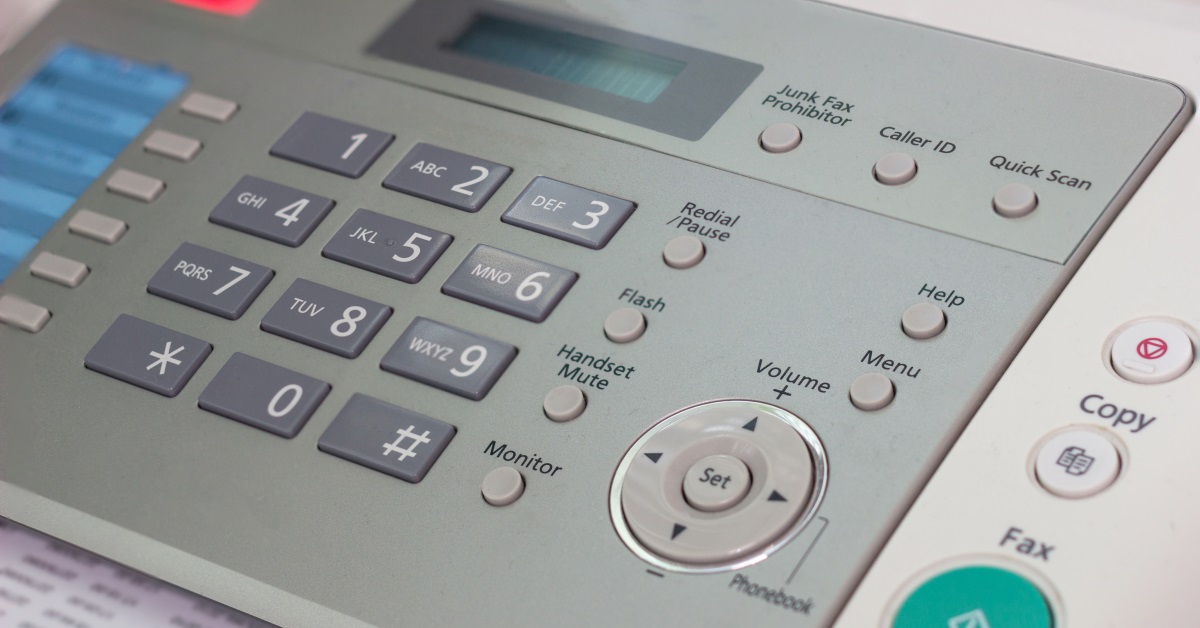
Fax machines continue to play a valuable role in the modern workplace. While usage varies by industry, many companies still fax important documents because this method is known to be private and secure. One study found 7 in 10 hospitals use fax machines to send sensitive patient data to stay compliant with HIPAA regulations. However, fax technology is modernizing and improving. One advancement that can benefit countless organizations is Fax over IP (FoIP) technology. Learn more about the eFax services and how they can support your business operations.
SIP, which stands for Session Initiation Protocol, is a communication protocol widely used for establishing, modifying, and terminating multimedia sessions such as voice and video calls over the internet. In this comprehensive guide, we will delve into the world of SIP, exploring its key concepts, technicalities, and implementation in business communication. Whether you are new to SIP or seeking to enhance your understanding, this guide will equip you with valuable insights to maximize the benefits of SIP in your communication infrastructure.

The history of human communication is a fascinating journey. It started from very basic forms and progressed to sophisticated systems. We now have information at the tip of our fingers. It’s challenging to fathom the days when messenger pigeons were a means of communication. For younger generations, even the traditional landline phone is a mystery. Adorned with its sizable rotary dial, it appears like a relic from a history book. So what is a PBX phone system? And how do Unified Communications platforms enhance our professional lives today?

Voice over Internet Protocol (VoIP) lets users make phone calls over the internet. It’s an alternative to traditional phone lines and mobile. These services allow you to use your existing work phone with new VoIP configurations. Here’s how to setup VoIP for your company to harness all the advantage it offers.

This article is a beginner’s guide to VoIP. Reading forward, you will find out what is a VoIP phone number. You will understand why so many businesses prefer VoIP over the old PSTN telephony. You will get familiarized with the terminology, discuss the differences between fixed and non-fixed VoIP and the benefits of each. Finally, you will find the answer to the most frequently asked questions. We hope that, by the time you are done reading, you will find it easier to determine if your business needs a VoIP phone number. And also you’ll find out how to choose the best service provider to meet your needs.
Working remotely is on the rise. More and more people want to work from a location of their choice. At home, wearing pajamas, on a flexible schedule. On a beach, next to a pinna colada.
Internet innovation drives remote work. Bundles of tech solutions. Long commutes in regular jobs incentivize it even further. Besides, research shows remote workers are more productive. They do more with less, which leads to work intensification.
To be fair, the reverse is nearly as likely. People that do remote work have to be productive to make the cut. The vast majority of people, however, have issues with getting motivated. Everything is so distracting. There are far too many sources for interruptions. From getting the wrong order in a coffee shop to a noisy scanner in a co-working space. While at work, you at least have a productivity benchmark. And teams to boost your morale. At home, you might get stuck in between the fridge and the couch while binging on Netflix.