
From answering machines and enterprise PBXs to cloud communications and Voice AI, voicemail has followed telecommunications through several generations of technology.
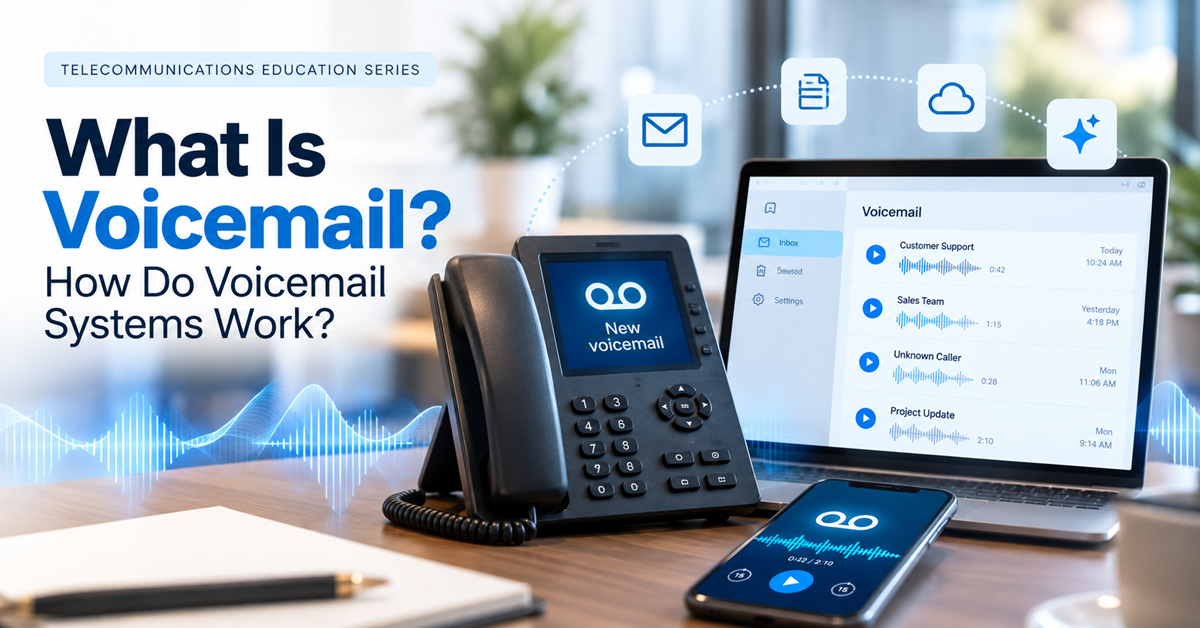
From answering machines and enterprise PBXs to cloud communications and Voice AI, voicemail has followed telecommunications through several generations of technology.
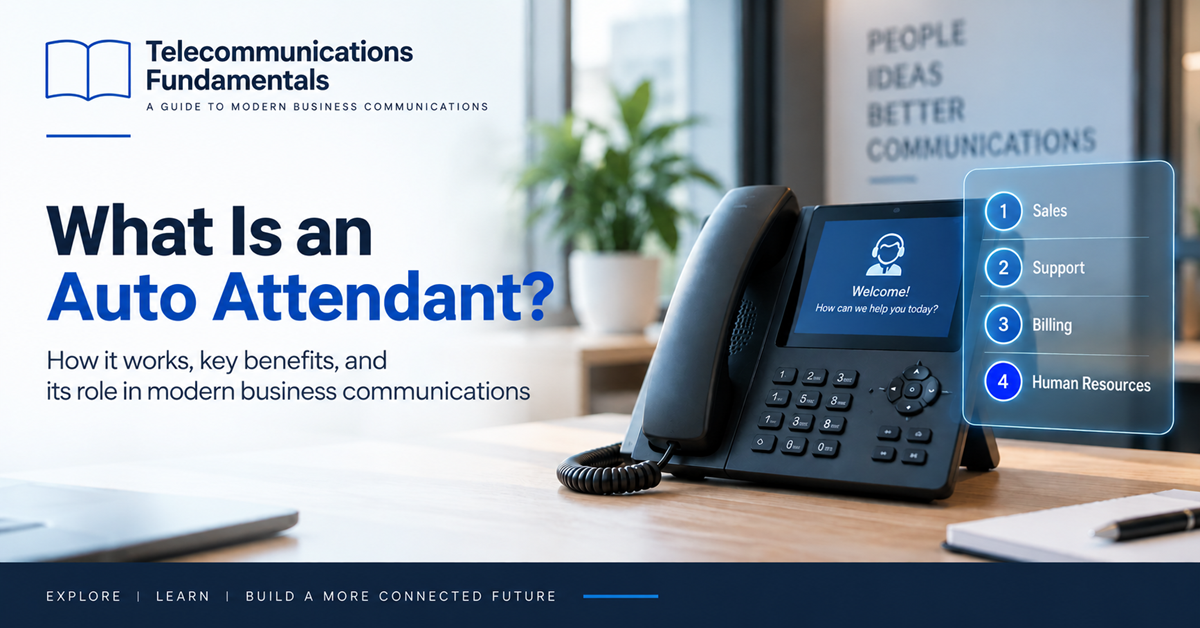
From switchboards and PBX systems to cloud communications and AI‑powered voice services, understanding IVR meaning helps explain how the telecommunications industry has steadily moved toward more automated and intelligent call handling.

As telecommunications evolved from switchboards and traditional PBX systems to VoIP, hosted PBX, and Unified Communications, businesses gained more ways to automate calls. In this educational series, we have followed that evolution from the PSTN through cloud‑based communications. Now we move from the infrastructure behind business calling to one of the features callers interact with directly: the auto attendant.
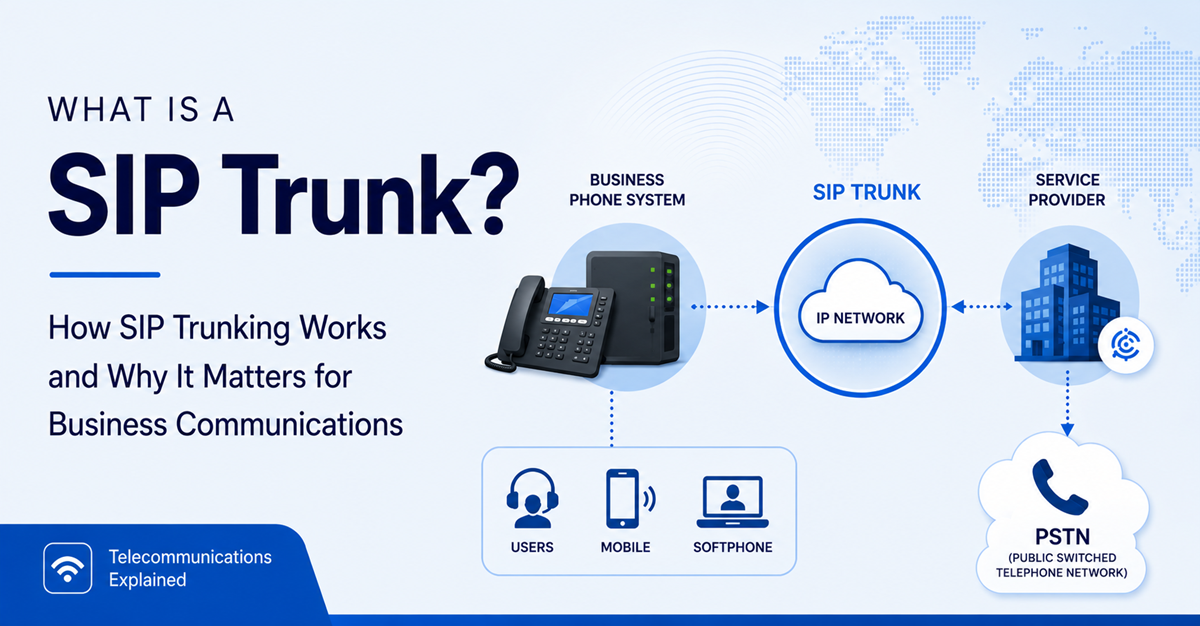
The telecommunications industry has progressed from physical telephone lines and circuit-switched networks to VoIP, cloud communications, and AI-powered voice services. A SIP trunk plays an important role in this evolution by connecting business phone systems with telecommunications providers over IP networks.
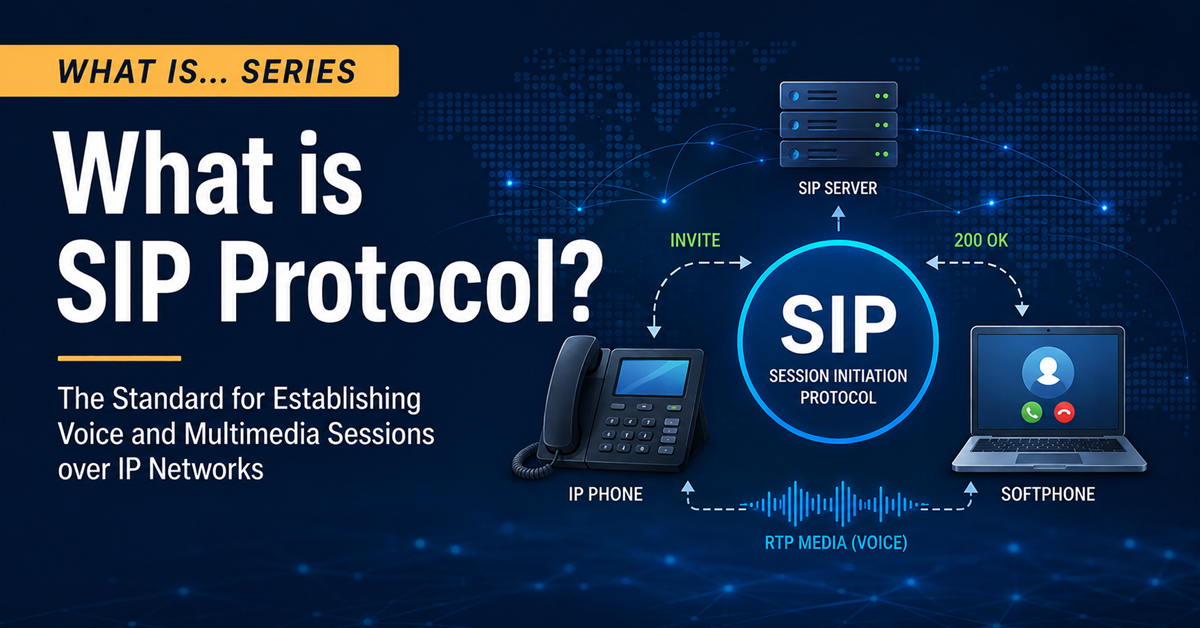
The telecommunications industry has moved through several major technological shifts. It began with the traditional telephone network, moved to VoIP, cloud communications, and now we’re in the AI-powered voice services era. This educational series follows that evolution step by step, explaining the technologies behind modern communications in plain language. In this article, we discuss the SIP protocol.
Before AI-powered phone agents, cloud contact centers, and Unified Communications began transforming the telecommunications industry, one technology fundamentally changed how people made phone calls: Voice over Internet Protocol. In the previous article, we explored PSTN, the traditional telephone network that connected the world for more than a century. The next logical step in our series is answering another essential question: What is VoIP?
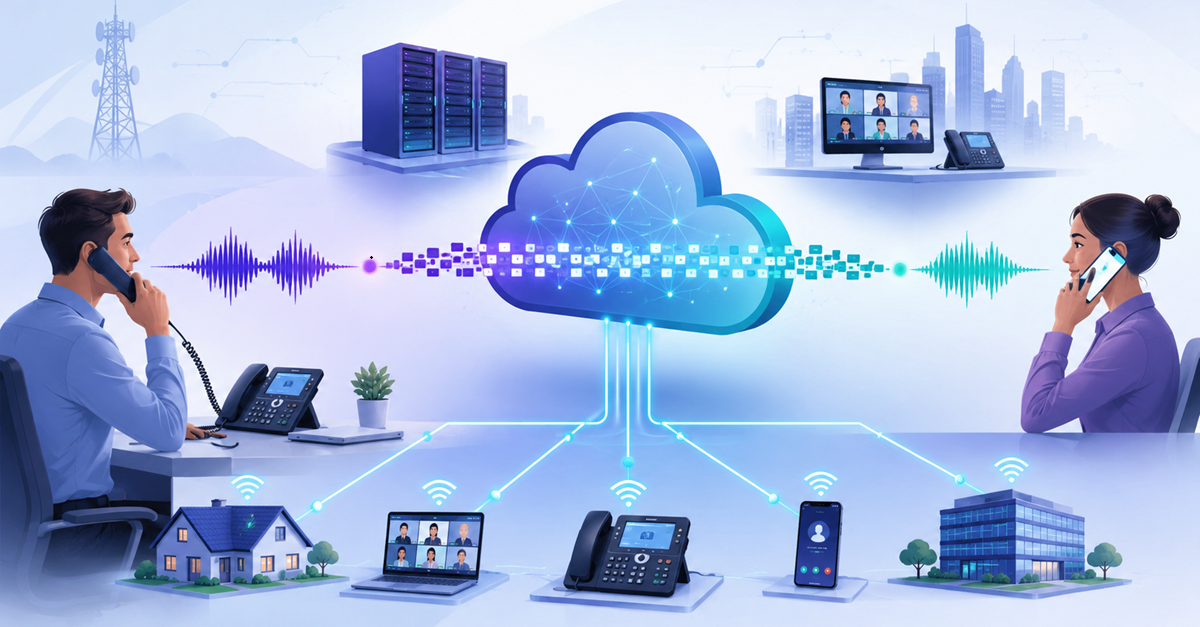
On 30 May 2006, 4PSA launched VoipNow, the VoIP control panel for service providers. Twenty years is a long time in communications. Technologies change. Business models adapt. Customer expectations grow. Yet some products stay relevant because they start from a real need and keep evolving. That is the story of VoipNow.

Welcome back to our limited series, Communications Then and Now. In the previous article, we explored SIP, the protocol that enables modern systems to establish and manage sessions over IP networks. SIP laid the foundation for modern real-time communication by making telecommunication systems flexible, scalable, and software-driven.
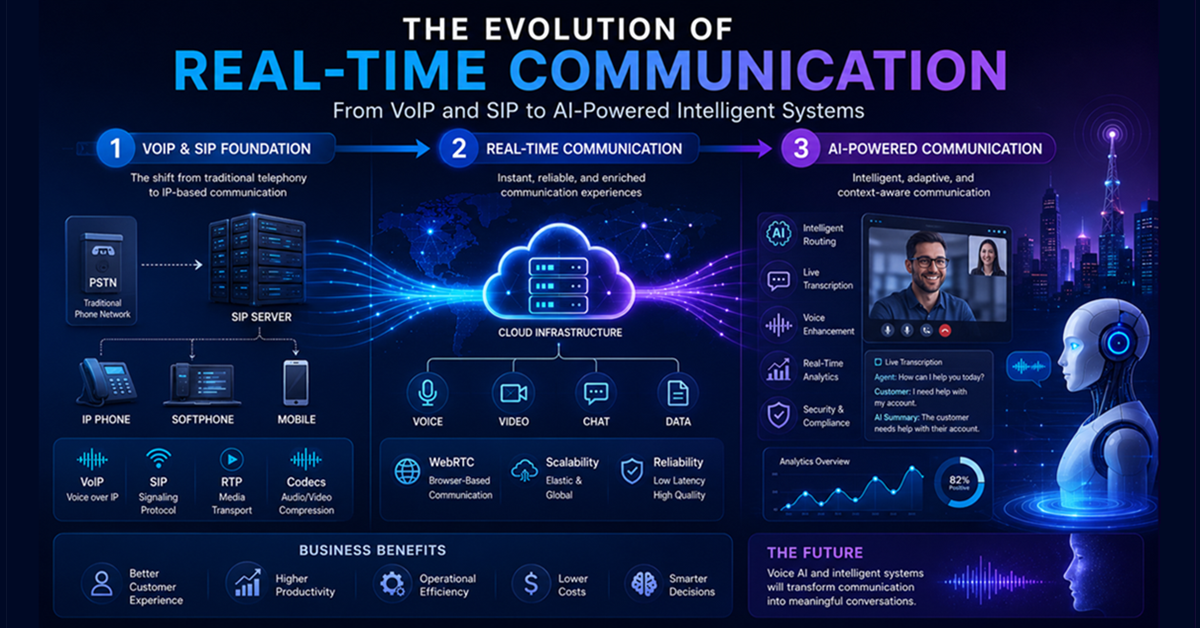
Voice AI is transforming how humans interact with machines, evolving from basic text-to-speech (TTS) systems to sophisticated neural networks capable of expressive, human-like communication. As speech synthesis becomes more natural and accessible, industries worldwide are reimagining customer service, education, healthcare, and creative content.

Whether you’re deploying VoIP (Voice over Internet Protocol) for the first time or optimizing an existing setup, a clear network layout makes all the difference. VoIP network diagrams provide a structured view of your voice infrastructure, showing how core components connect and helping you plan for better call quality, stronger security, and future growth.


