
The Public Switched Telephone Network (PSTN) is the foundation of global voice communication. Long before internet-based communication became widespread, PSTN enabled reliable, real-time conversations across cities, countries, and continents.
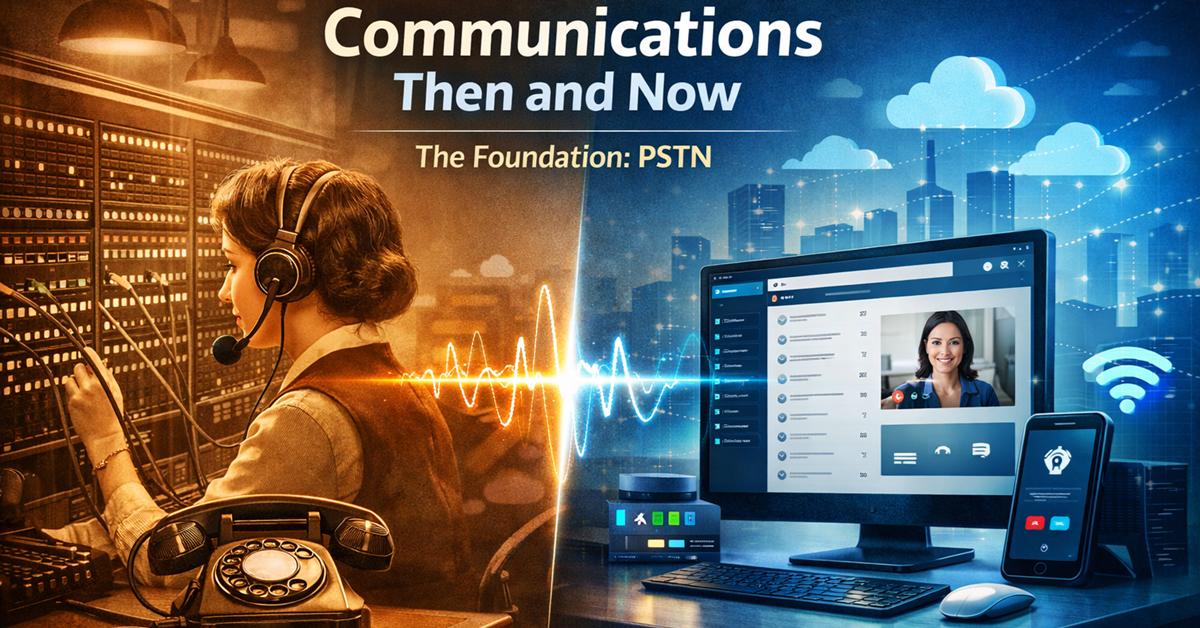
The Public Switched Telephone Network (PSTN) is the foundation of global voice communication. Long before internet-based communication became widespread, PSTN enabled reliable, real-time conversations across cities, countries, and continents.
Workplaces have been transforming for years, but the rise of artificial intelligence (AI) has accelerated this evolution. While discussions about AI often revolve around job displacement, the more practical and immediate reality for most organizations is different. AI is becoming a powerful partner to human skills and intelligence.

Voice AI is transforming how humans interact with machines, evolving from basic text-to-speech (TTS) systems to sophisticated neural networks capable of expressive, human-like communication. As speech synthesis becomes more natural and accessible, industries worldwide are reimagining customer service, education, healthcare, and creative content.

Reading was once a normal part of daily life. And for many of us, it still holds that vital place. But today, it feels harder than ever. Messages, dashboards, alerts, and short content compete for our attention nonstop. Yet reading endures as one of the most reliable ways to improve how we think and how we work.

Whether you’re deploying VoIP (Voice over Internet Protocol) for the first time or optimizing an existing setup, a clear network layout makes all the difference. VoIP network diagrams provide a structured view of your voice infrastructure, showing how core components connect and helping you plan for better call quality, stronger security, and future growth.

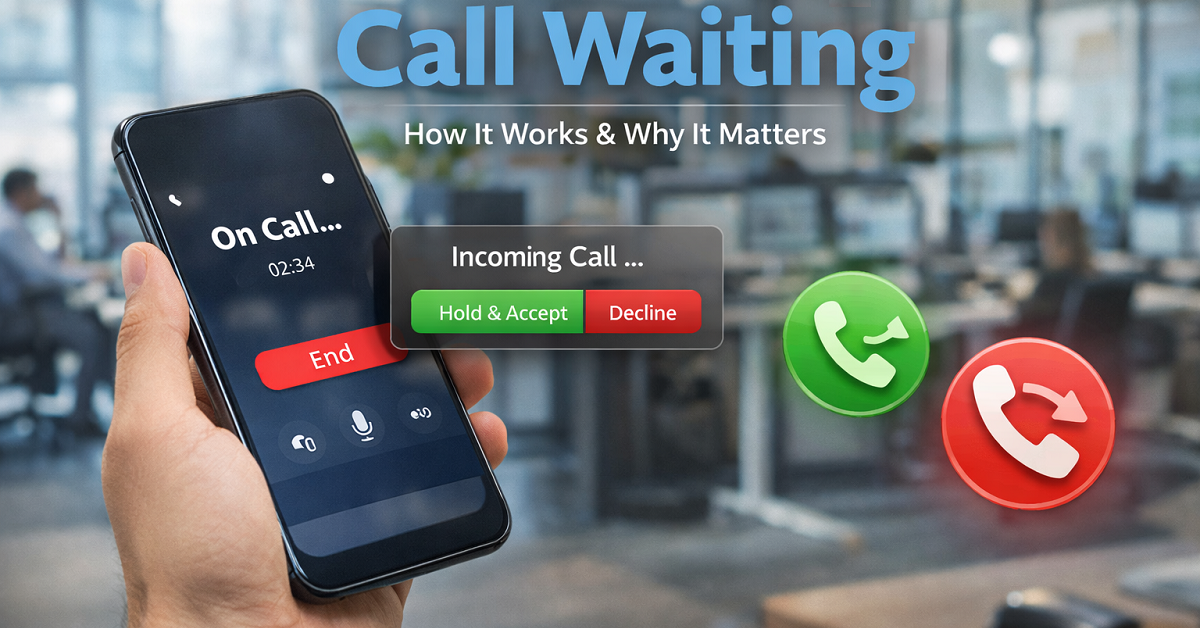
Call waiting offers a convenient way to manage incoming calls. It’s a telephony feature that allows us to be notified of another call while already engaged in a conversation. In this article, we will delve into the meaning of call waiting. Next, we explore its functionality and benefits, learn how to use it effectively, troubleshoot any issues that may arise. We then discuss the future of this technology.
In every project, the difference between a team that executes and one that struggles often comes down to something deceptively simple: follow-up. When done right, follow-up creates accountability, clarity, and progress. When done poorly, or not at all, it drains focus, undermines trust, and leaves tasks drifting in ambiguity.

Speech-to-text (STT) technology first emerged as an assistive solution, designed to help individuals with disabilities communicate and interact more easily. Over time, it evolved into a mainstream productivity tool that benefits virtually everyone. Today, capabilities such as voice dictation, real-time captioning, and automated transcription are embedded into smartphones and software platforms.

Effective communication is the backbone of every organization regardless of size or structure. While poor communication can hinder workplace productivity, structured communication models provide frameworks to understand how messages are exchanged. Choosing the right model is therefore critical for efficiency.

Hybrid and remote work are no longer rare perks, they’ve become widespread, with many American office workers expecting this flexibility. To keep up, businesses turn to their communication service providers to help close the gaps between on-site and remote collaboration.


