When was the last time you exercised your agency and made a decision without feeling pressured to rush? Or spent an afternoon working on something important without wondering what else demanded your attention?

When was the last time you exercised your agency and made a decision without feeling pressured to rush? Or spent an afternoon working on something important without wondering what else demanded your attention?
Throughout our telecommunications series, we have explored how voice communication evolved over time. We have also examined essential phone system features. Now, let’s explore the conference call, a familiar capability that brings several people into the same real-time conversation, regardless of where they are located.

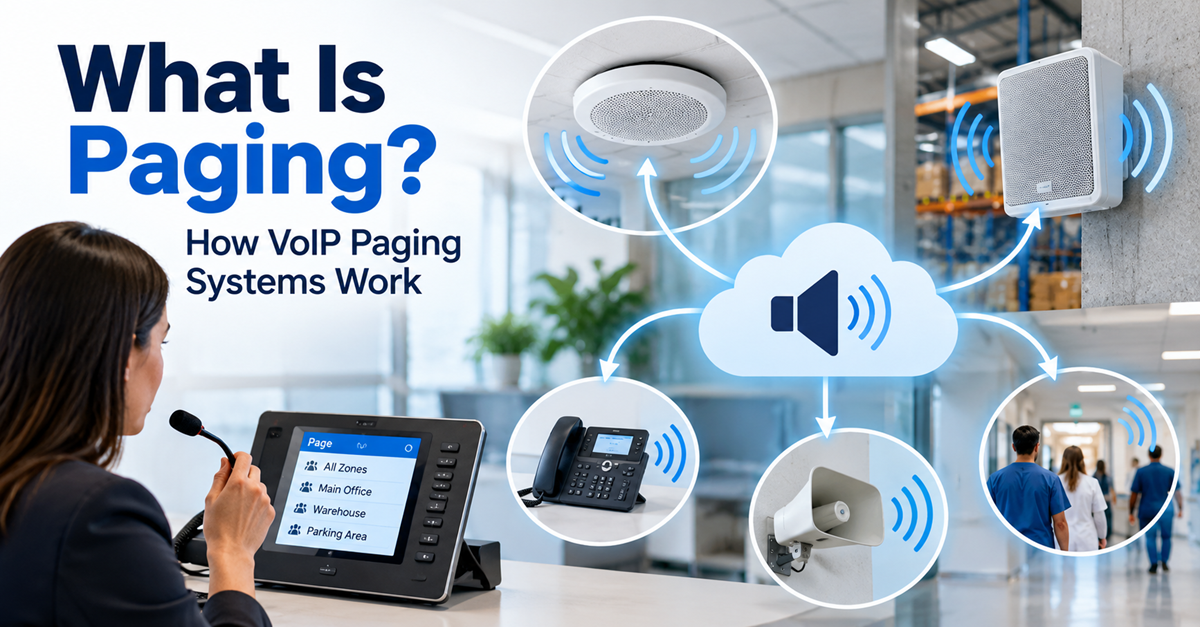
Throughout this telecommunications series, we have examined how voice communication evolved from traditional telephone networks to VoIP, SIP, hosted PBX, Unified Communications, and intelligent call handling. The previous article covered intercom systems, which enable direct communication between people or locations. Paging serves a different need: delivering one announcement to a defined group, area, or building.
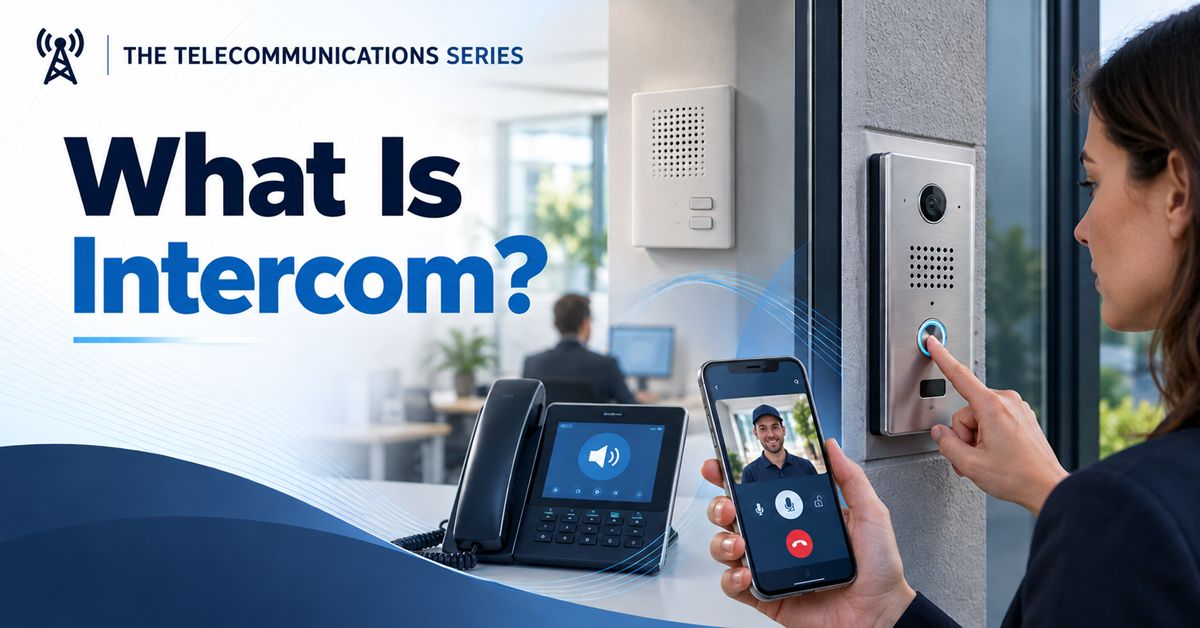
In our telecommunications series, we have followed the evolution of voice communication from the PSTN to modern IP-based systems. And each technology solves a different communication problem. Now, we turn to what is intercom and how it works in a VoIP environment.
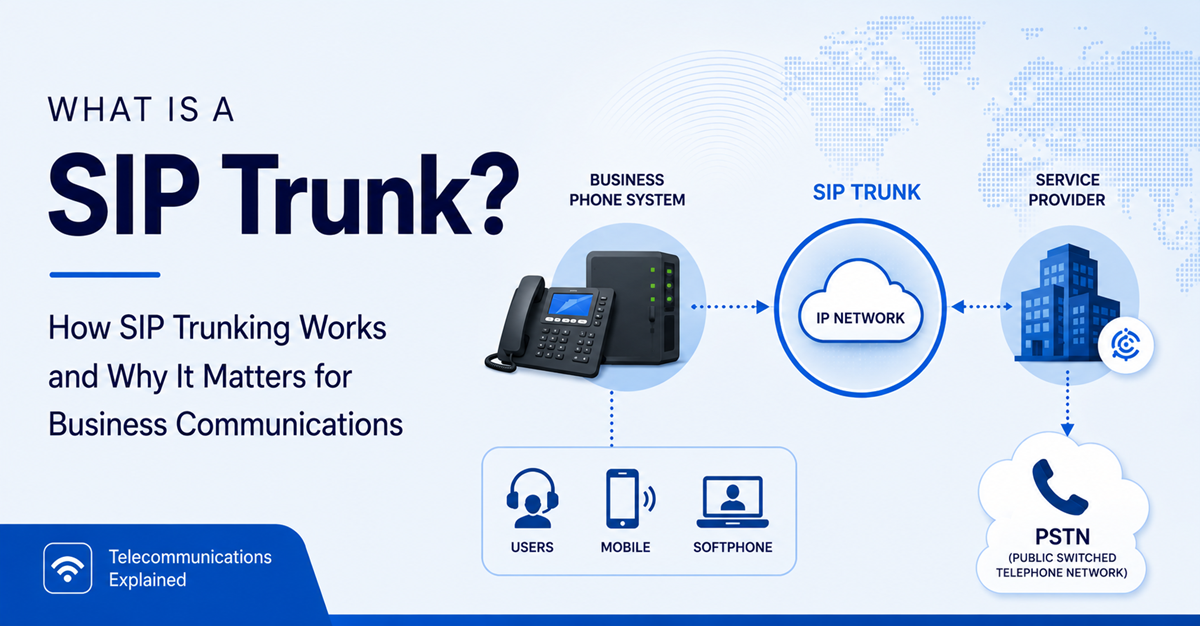
The telecommunications industry has progressed from physical telephone lines and circuit-switched networks to VoIP, cloud communications, and AI-powered voice services. A SIP trunk plays an important role in this evolution by connecting business phone systems with telecommunications providers over IP networks.
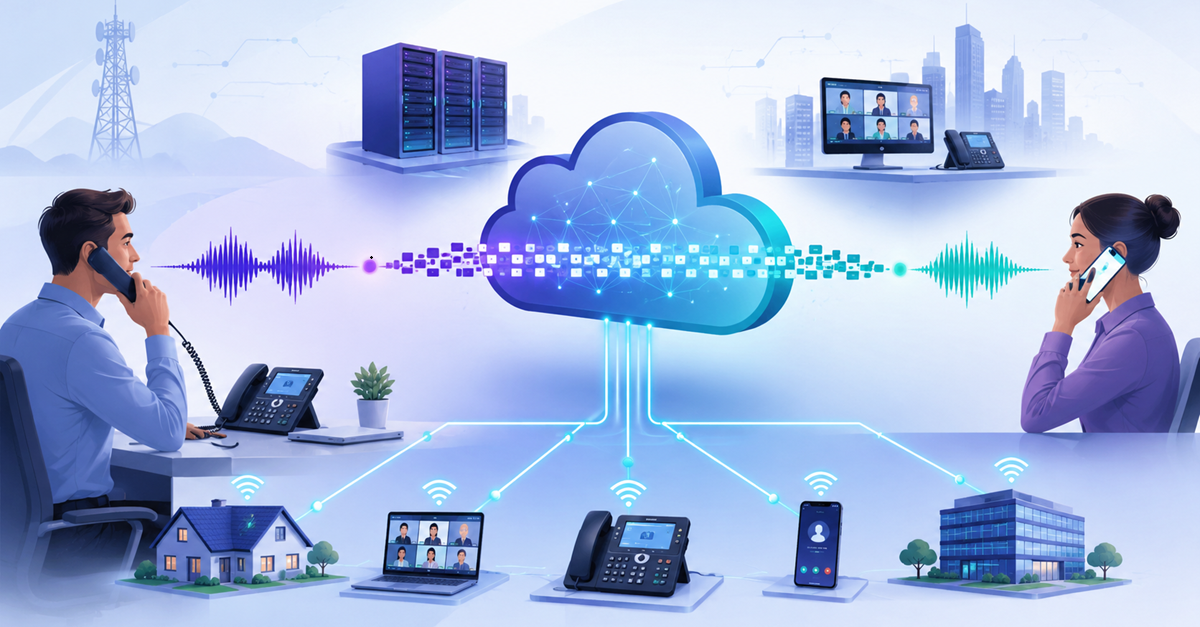
Before AI-powered phone agents, cloud contact centers, and Unified Communications began transforming the telecommunications industry, one technology fundamentally changed how people made phone calls: Voice over Internet Protocol. In the previous article, we explored PSTN, the traditional telephone network that connected the world for more than a century. The next logical step in our series is answering another essential question: What is VoIP?
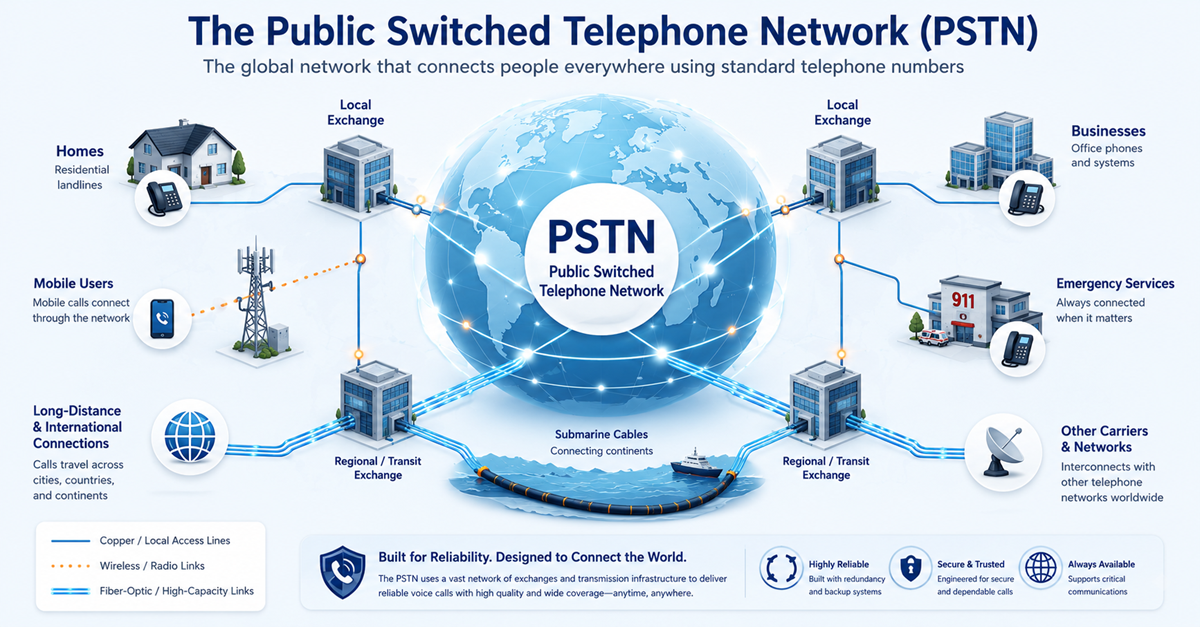
We created this new article series to explain telecommunications in plain English. Each article answers a common “What is…” question without unnecessary jargon. The goal is to help business owners, IT professionals, telecom engineers, and anyone curious about communications understand how modern phone systems work. We begin at the very foundation of telecommunications: What is PSTN?
On 30 May 2006, 4PSA launched VoipNow, the VoIP control panel for service providers. Twenty years is a long time in communications. Technologies change. Business models adapt. Customer expectations grow. Yet some products stay relevant because they start from a real need and keep evolving. That is the story of VoipNow.

Welcome back to our limited series, Communications Then and Now. In the previous article, we explored SIP, the protocol that enables modern systems to establish and manage sessions over IP networks. SIP laid the foundation for modern real-time communication by making telecommunication systems flexible, scalable, and software-driven.
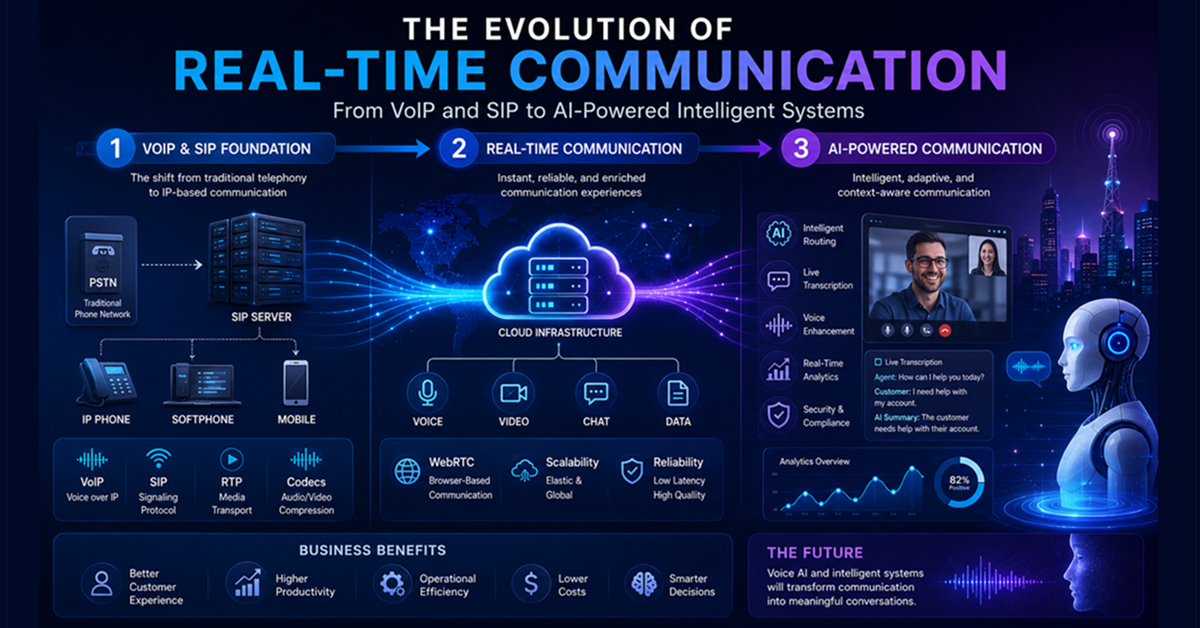
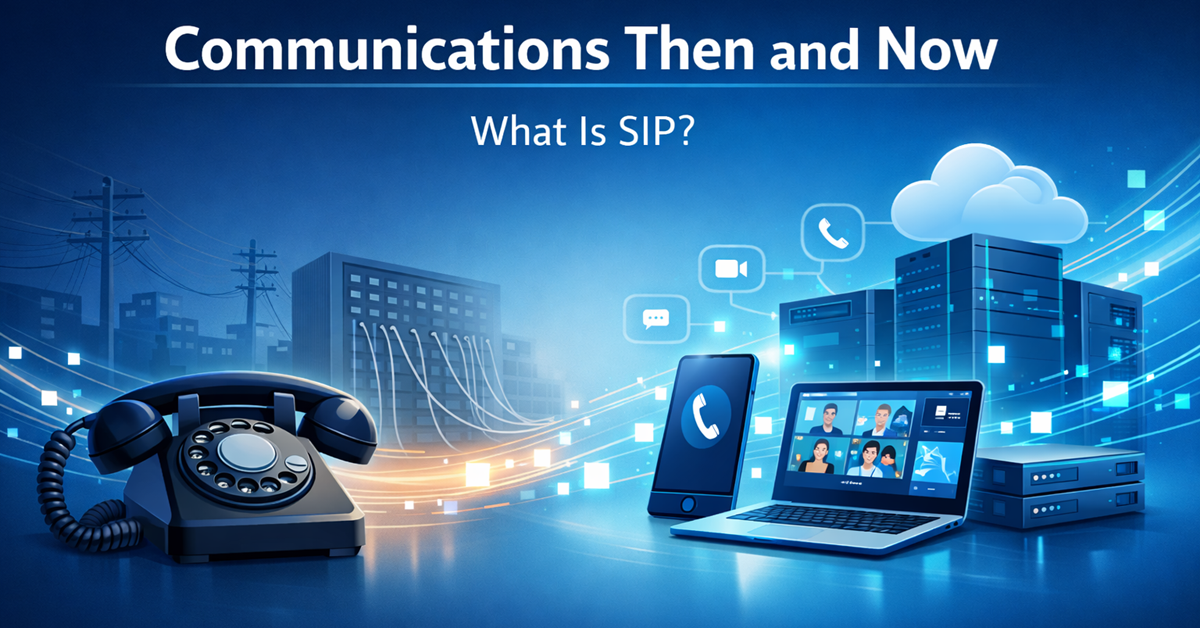
In the previous article, we explored PSTN, the foundation of global voice communication and the system that defined telephony for over a century. While this legacy infrastructure enabled reliable connectivity, it also exposed the limitations of circuit-switched communication in a rapidly evolving digital landscape. To move forward, it becomes essential to answer a key question: what is SIP, and how does it enable modern, flexible communication over IP networks?