
Call waiting offers a convenient way to manage incoming calls. It’s a telephony feature that allows us to be notified of another call while already engaged in a conversation. In this article, we will delve into the meaning of call waiting. Next, we explore its functionality and benefits, learn how to use it effectively, troubleshoot any issues that may arise. We then discuss the future of this technology.
The basics
Definition and functionality
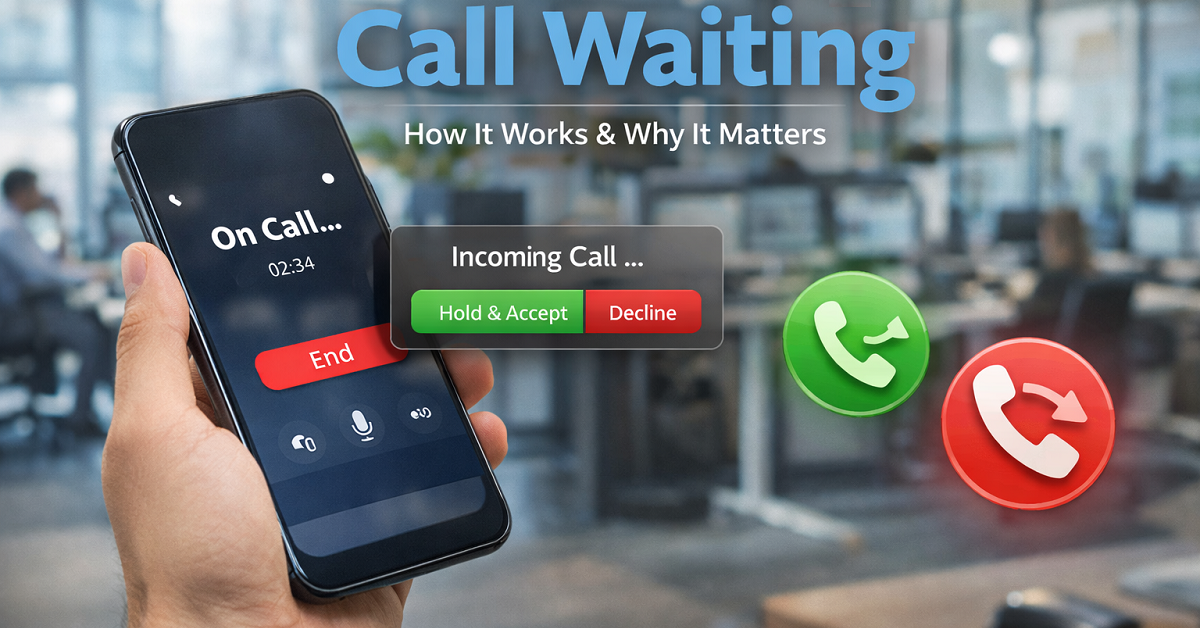
Call waiting is a telecommunications feature that enables users to receive a notification of an incoming call while engaged in another conversation. It ensures that you never miss an important call or message, even when you are already on the phone. When you receive a second call, the call waiting feature will alert you with a tone or vibration. The caller’s name or number will be displayed on your device’s screen.
With call waiting, you have the option to either ignore the incoming call, allowing it to be forwarded to voicemail, or put the current call on hold to answer the second call. This feature is particularly useful in situations where immediate attention to the second call is necessary or when you want to politely inform the first caller about the interruption.
The history and evolution
While it has become a common feature in modern telecommunication systems, its roots can be traced back to the early days of phone systems. Traditional call waiting, also known as tone-activated call waiting, was introduced in the late 1960s by various telecommunication companies. It operated using audible signals to indicate an incoming call while the user was already on the line.
Imagine yourself in the late 1960s, sitting by the landline phone, engrossed in a conversation. Suddenly, you hear a subtle beep, indicating that someone else is trying to reach you. It’s a moment of excitement and curiosity, wondering who could be on the other line. With call waiting, you could effortlessly switch between conversations.
Over the years, this feature has evolved with advancements in technology. Today, it is seamlessly integrated into landline and mobile phone networks. It provides users with more control and convenience when managing their calls. Gone are the days of hearing a beep, as modern smartphones now offer a variety of customizable alert options. These advancements enhance the functionality and also add a touch of personalization to the overall calling experience.
The technology behind call waiting
How call waiting works
Call waiting operates by utilizing the existing signaling system of the telecommunication network. When you receive an incoming call, the network sends a signal to your phone. This indicates that there is another call waiting. Your device then provides a visual and/or audible alert to notify you of the incoming call.
To answer the second call, you can either put the current call on hold or choose to ignore it. If you opt to switch to the second call, the person on the other end of the line will be placed on hold. And you can have a separate conversation for as long as you desire.
The role of telecommunication networks
This functionality is reliant on the capabilities of your communications platform. It plays a crucial role in coordinating and managing the incoming calls, ensuring seamless call transitions and notifications. The platform enables the smooth operation by transmitting the necessary signals and data between the callers.
Modern communications platforms, such as VoipNow, have significantly improved the call waiting experience by integrating advanced signaling protocols and enhanced call management features. These advancements enable faster call setups, improved call quality, and better overall call waiting performance.
Technology enhancements
Recent developments in call waiting technology have introduced new features to enhance user experience. One such feature is the ability to see caller ID information for the waiting call. It enables users to decide whether to switch calls based on who is calling. This feature provides added convenience and control over call management.
Additionally, some telecommunication providers offer customizable call waiting settings. They allow users to personalize how they are notified of incoming calls, such as:
- Different ring tones
- Various volume levels
- Opt for silent notifications
Such settings allow users to tailor the call waiting experience to their preferences.
Trends
Looking ahead, the future of call waiting may involve integration with artificial intelligence (AI) systems to provide more intelligent call handling. AI algorithms could:
- Analyze incoming calls.
- Prioritize calls based on user preferences or past interactions.
- Suggest actions such as sending a quick message to the caller or scheduling a callback.
These advancements could further streamline the call waiting process and improve overall communication efficiency.
Furthermore, advancements in network technologies such as 5G are expected to enhance call waiting capabilities by reducing latency and enabling faster data transmission. This could lead to near-instant call connections and improved call quality, delivering a more responsive communication experience.
Benefits
Maintaining continuous communication
One of the primary advantages of call waiting is that it allows you to stay connected with your contacts even when you are already engaged in a call. The ability to receive notifications about incoming calls provides flexibility in managing multiple conversations.
By having call waiting enabled, you can seamlessly switch between calls. It’s especially beneficial when dealing with urgent matters or time-sensitive inquiries. This feature eliminates the need to repeatedly call back missed calls, saving time and avoiding potential miscommunications.
Moreover, call waiting is a valuable tool for professionals who rely on constant communication for their work. It ensures that important calls are not missed. It enables you to maintain a high level of responsiveness and professionalism in business interactions. This feature is particularly useful in industries where timely responses can make a significant impact on outcomes.
Prioritizing important calls
Call waiting empowers you to prioritize incoming calls based on their importance. By previewing the caller’s name or number, you can make informed decisions about whether to answer the call or continue the current conversation. This feature is particularly valuable for individuals who receive a high volume of calls or need to screen calls before responding.
Furthermore, by giving you the chance to answer a significant call while already engaged in another less important conversation, call waiting helps prevent missed opportunities. It enables efficient multitasking, sparing you the need to interrupt ongoing calls or potentially lose valuable connections.
Call waiting can be a lifesaver in emergency situations where immediate communication is crucial. Being able to identify and answer important calls promptly can make a significant difference in resolving urgent matters or providing assistance when needed. This feature adds a layer of security and reliability to your communication network, ensuring that you are always accessible in critical moments.
How to use it
Activating and deactivating call waiting
Activating or deactivating call waiting typically involves accessing the phone’s settings or using a specific code provided by your service provider. The exact method may vary depending on your device and network. To ensure uninterrupted access to the call waiting feature, it is recommended to consult the user manual or contact the service provider for precise instructions.
Once call waiting is activated, it remains active until you decide to deactivate it. On the other hand, if you prefer not to be interrupted by call waiting, you can deactivate the feature temporarily when necessary by following the same process.
Managing calls
When using call waiting, it is essential to employ proper call management techniques to ensure smooth conversations and minimize disruptions. Here are a few tips for effectively managing calls:
- If you receive an incoming call while already on a call, it is courteous to inform the current caller. Tell them that you have another call waiting and ask for their permission to switch or put them on hold.
- If the second call is of higher priority, politely ask the initial caller if you can call them back or reschedule the conversation. Remember, effective communication is key to maintaining professional and personal relationships.
- When putting a call on hold to attend the second call, make sure to return to the original conversation promptly. Prolonged holds may lead to frustration or misunderstandings.
Call waiting can be a valuable tool in various scenarios. For instance, if you are expecting an important call while already engaged in a conversation, call waiting allows you to handle both calls efficiently. This feature is particularly useful for professionals who need to juggle multiple calls. It also helps people who want to stay connected with their loved ones while managing other commitments.
Moreover, call waiting can also be a helpful feature for businesses. It enables employees to handle customer inquiries or resolve urgent matters while still being available for other incoming calls. This flexibility ensures that customer service remains uninterrupted and enhances overall customer satisfaction.
Common issues and solutions
Troubleshooting issues
While call waiting is generally reliable, occasional issues may arise. Here are common call waiting problems and their potential solutions:
- No audible or visual notification: Ensure that your device’s volume is turned on and appropriately set. Check if call waiting is still enabled in the device settings. If the issue persists, contact your service provider for further assistance.
- Unintended call interruptions: If you experience interrupted calls or dropped connections during call waiting, make sure you are not in an area with poor network coverage. If the problem persists, contact your service provider to investigate and resolve any network-related issues.
- Difficulty managing multiple calls: If you find it challenging to manage multiple calls effectively, consider utilizing call management features offered by your communication platform streamline the process. These features can help you organize your conversations and prioritize important calls.
Tips for effective use
To optimize your call waiting experience, consider the following tips:
- Communicate with clarity: Clearly communicate your availability and intentions with callers to minimize any misunderstandings or frustrations.
- Be mindful of time: Avoid unnecessarily long call duration to ensure fair and efficient conversation with all callers.
- Utilize call forwarding: If you are frequently unavailable, consider using call forwarding to redirect incoming calls to another number or voicemail.
Call waiting can be a valuable tool for multitasking and managing your communication effectively. However, it is essential to strike a balance between being available for incoming calls and giving your full attention to the ongoing conversation.
One common issue that users may encounter is the inability to distinguish between multiple incoming calls. This can be particularly challenging if you receive calls from different contacts simultaneously. To address this, some devices offer the option to assign unique ringtones or caller IDs to specific contacts. By customizing these settings, you can easily identify the importance of each incoming call and decide whether to answer or prioritize accordingly.
Another potential problem is the lack of call waiting compatibility with certain phone models or service providers. While call waiting is a standard feature on most modern devices, it is worth checking if your device and service provider support this functionality. If you are unsure, reach out to your service provider for clarification and assistance in enabling call waiting on your device.
The future of call waiting
Innovations
As technology continues to evolve, call waiting is likely to benefit from further enhancements. Future developments may include more advanced call prioritization algorithms, personalized call waiting settings, and integration with emerging communication platforms.
Additionally, the integration of call waiting with other communication features, such as voicemail and caller identification, is expected to improve the overall user experience. These advancements will contribute to more efficient call management and greater customization options.
The impact of digital transformation on call waiting
The ongoing digital transformation is revolutionizing the way we communicate and interact. Call waiting is no exception to these changes. As communication technologies become more interconnected and intelligent, call waiting is likely to become more seamlessly integrated into our daily lives.
One potential advancement is the incorporation of artificial intelligence (AI) technology into call waiting systems. AI-powered call waiting can analyze the context of incoming calls, allowing for more intelligent call prioritization. For example, if you are in the middle of an important business call, the AI system can recognize the urgency and automatically place other calls on hold until you are available.
In conclusion, call waiting is a valuable tool that enhances our ability to manage multiple conversations effectively. By understanding its functionality, benefits, usage, and troubleshooting, we can make the most of this feature and optimize our communication experiences. As technology advances, we can look forward to further improvements in call waiting, making it an even more indispensable part of our everyday communication toolkit.


Leave a comment