
From answering machines and enterprise PBXs to cloud communications and Voice AI, voicemail has followed telecommunications through several generations of technology.
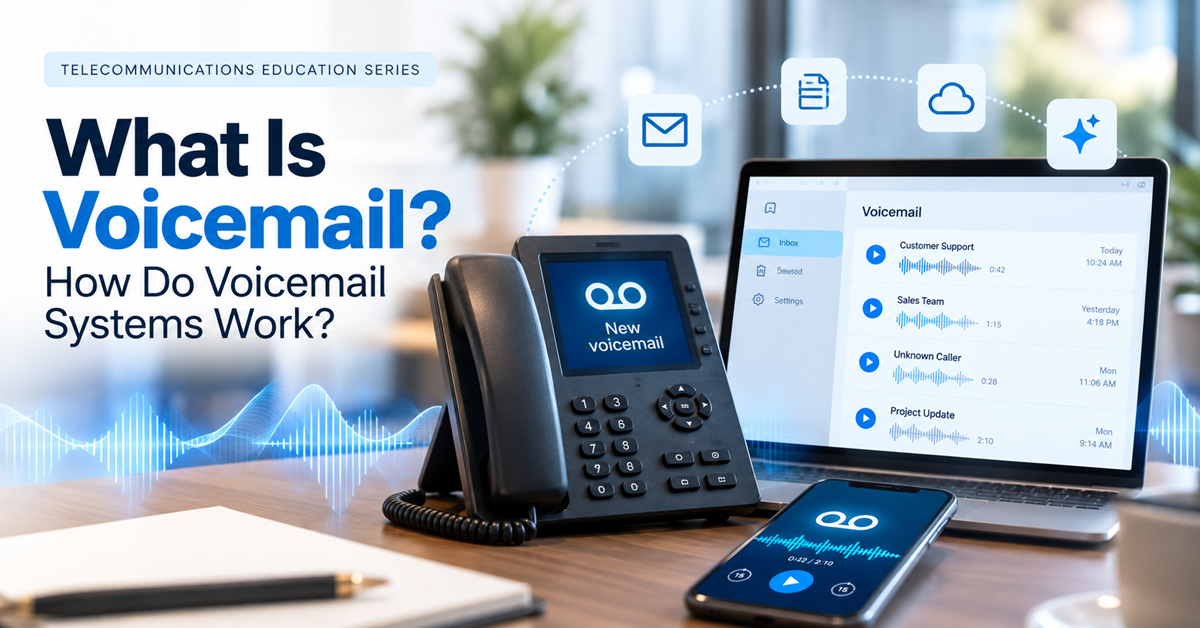
From answering machines and enterprise PBXs to cloud communications and Voice AI, voicemail has followed telecommunications through several generations of technology.
From switchboards and PBX systems to cloud communications and AI‑powered voice services, understanding IVR meaning helps explain how the telecommunications industry has steadily moved toward more automated and intelligent call handling.

As telecommunications evolved from switchboards and traditional PBX systems to VoIP, hosted PBX, and Unified Communications, businesses gained more ways to automate calls. In this educational series, we have followed that evolution from the PSTN through cloud‑based communications. Now we move from the infrastructure behind business calling to one of the features callers interact with directly: the auto attendant.
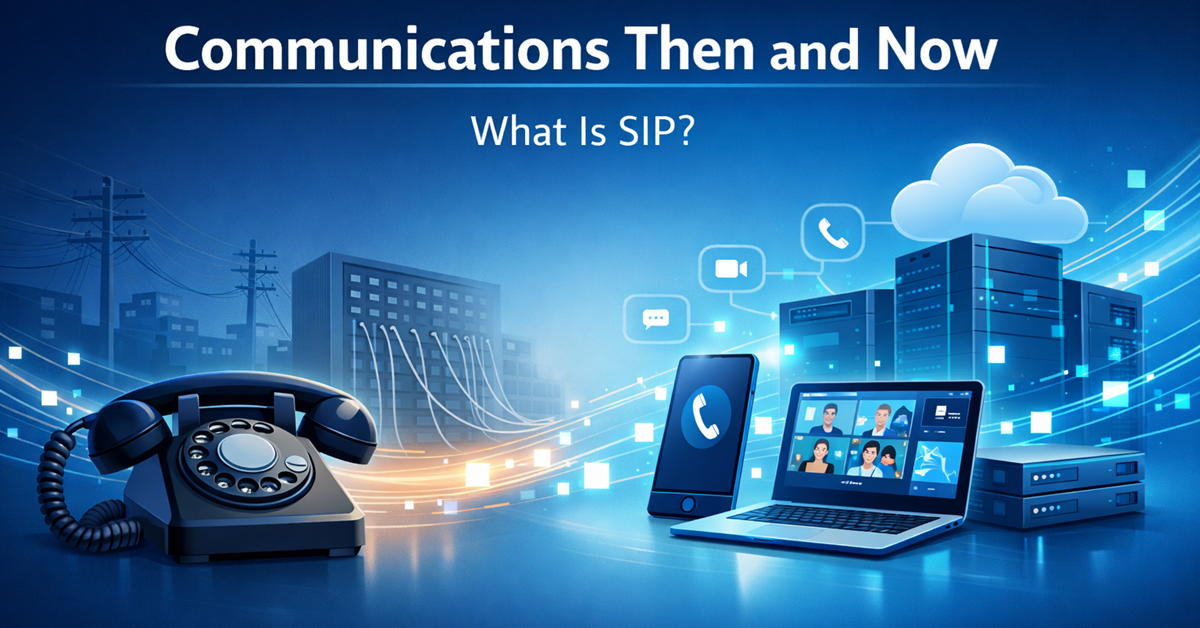
From the first telephone exchanges to VoIP, cloud telephony, and today’s AI-powered services, business communications have continuously evolved toward bringing people closer together. This time, we’re looking at what Unified Communications is.

The telecommunications industry has moved through several major technological shifts. It began with the traditional telephone network, moved to VoIP, cloud communications, and now we’re in the AI-powered voice services era. This educational series follows that evolution step by step, explaining the technologies behind modern communications in plain language. In this article, we discuss the SIP protocol.
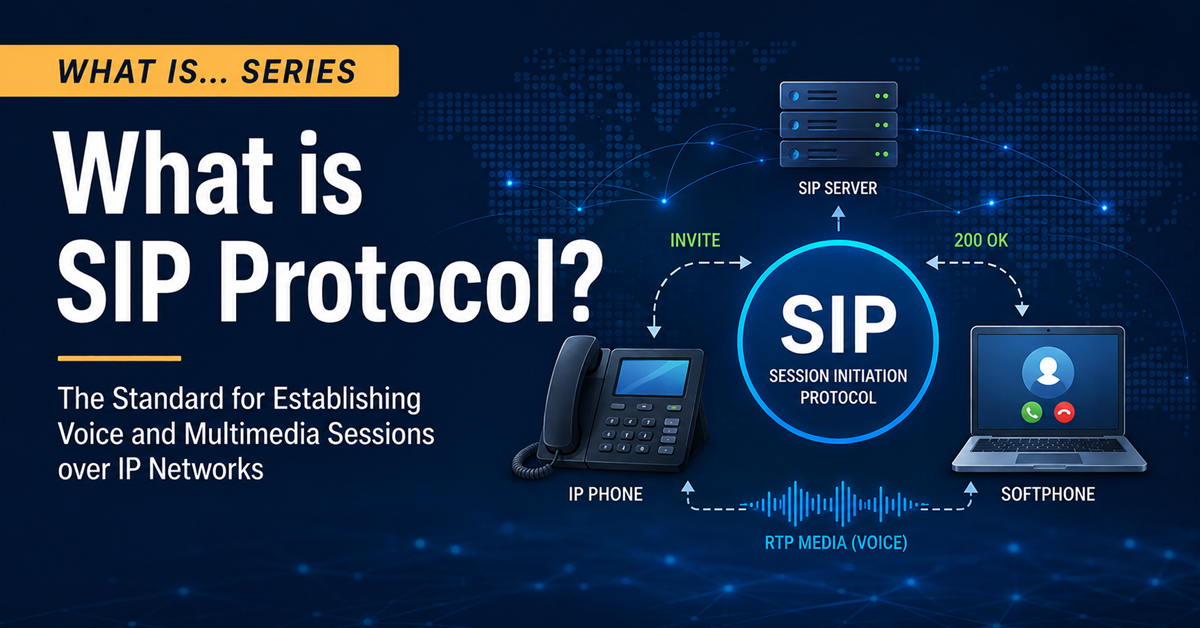
In the previous article, we explored PSTN, the foundation of global voice communication and the system that defined telephony for over a century. While this legacy infrastructure enabled reliable connectivity, it also exposed the limitations of circuit-switched communication in a rapidly evolving digital landscape. To move forward, it becomes essential to answer a key question: what is SIP, and how does it enable modern, flexible communication over IP networks?
Call forwarding is a telecommunication feature that allows you to redirect incoming calls from one phone number to another. It is widely used by both businesses and individuals to ensure availability regardless of location or device.

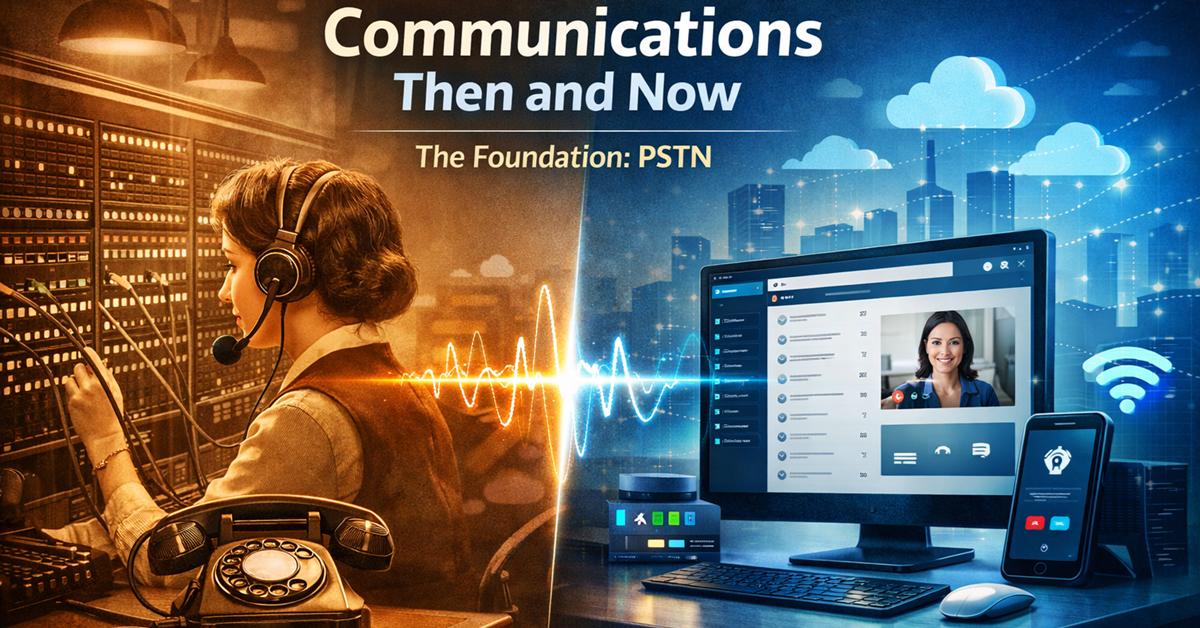
The Public Switched Telephone Network (PSTN) is the foundation of global voice communication. Long before internet-based communication became widespread, PSTN enabled reliable, real-time conversations across cities, countries, and continents.
Call waiting offers a convenient way to manage incoming calls. It’s a telephony feature that allows us to be notified of another call while already engaged in a conversation. In this article, we will delve into the meaning of call waiting. Next, we explore its functionality and benefits, learn how to use it effectively, troubleshoot any issues that may arise. We then discuss the future of this technology.

In today’s fast-paced business landscape, customer service and seamless communication are non-negotiable. A reliable phone system is critical for connecting with clients, collaborating with teams, and scaling operations. Among the most transformative solutions there is the hosted phone system, a cloud-based phone system that redefines how businesses communicate. This guide explores its features, advantages, and limitations to help you decide if it’s the right fit for your organization.


