The Public Switched Telephone Network (PSTN) is the foundation of global voice communication. Long before internet-based communication became widespread, PSTN enabled reliable, real-time conversations across cities, countries, and continents.
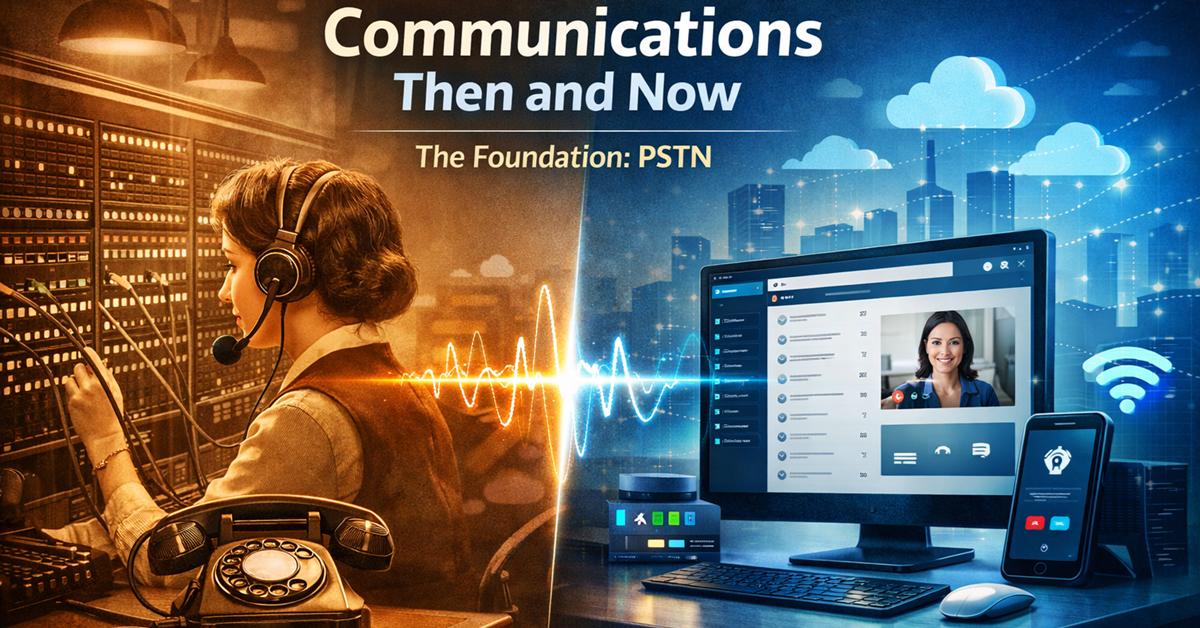
The Public Switched Telephone Network (PSTN) is the foundation of global voice communication. Long before internet-based communication became widespread, PSTN enabled reliable, real-time conversations across cities, countries, and continents.
In modern telephony, the concept of Direct Inward Dialing (DID) has changed the way calls are handled, making it easier for businesses to connect callers directly to the right person or department. In this article, we’ll cover what a DID number is, how it works, and why it remains essential in modern VoIP communication.

As part of my ongoing series analyzing key technology and telecom reports, I make it my mission to read the data behind the headlines. Many analyses promise the next big thing, but few reveal how close we actually are to it. The State of Voice AI 2025 Report from Deepgram and Opus Research is one of those few.

Faxing remains vital in many industries, but traditional fax machines are slow, maintenance-heavy, and increasingly obsolete. Modern eFax solutions offering fax to email and email to fax bring the reliability of faxing into the digital era. They provide secure, cloud-based services integrated into Unified Communications (UC) platforms.

Text-to-speech (TTS) technology is used daily by many people, even if they don’t know the term. In the United States, 100 million individuals own at least one smart speaker like Amazon Echo or Google Nest (source: Market.us, 2024). Around 63 percent of U.S. adults (source: BloggersPassion, 2025) use voice-powered assistants like Amazon Alexa, Apple Siri, or Google Assistant. These virtual helpers rely on TTS to answer questions, play music, or control smart devices.

Extension virtualization is transforming today’s workplace by allowing employees to log into their communications accounts from any approved desk or device. This flexible strategy, often implemented through hot desking, helps companies cut real estate and hardware costs, enhance collaboration, and deliver better customer service.

With the rapid advancement of technology, businesses have been presented with innovative solutions to streamline their communication processes. One such solution is a cloud phone system. In this article, we will explore the pros and cons of implementing such a phone system, allowing you to make an informed decision for your business needs.

For a long time now, telecommunications have been playing a pivotal role in our lives. From personal conversations to business transactions, the ability to communicate seamlessly over the phone is indispensable. However, with the rise of technology comes the need for enhanced privacy measures. No caller id is one of the available options allowing callers to conceal their phone number from the recipient.

In the world of business communication, call parking is a concept that plays a crucial role in ensuring efficient and effective handling of phone calls. By temporarily parking a call, businesses can easily transfer and retrieve calls between different extensions without disrupting the flow of communication.

Unified Communications as a Service (UCaaS) handles all communications and collaboration tools in one place. It can cover everything from telephony, internal communication, to customer service and even employee onboarding. Hence its importance because the ultimate goal is for your business customers is to have communications systems that allow them to grow and scale.