
From switchboards and PBX systems to cloud communications and AI‑powered voice services, understanding IVR meaning helps explain how the telecommunications industry has steadily moved toward more automated and intelligent call handling.

From switchboards and PBX systems to cloud communications and AI‑powered voice services, understanding IVR meaning helps explain how the telecommunications industry has steadily moved toward more automated and intelligent call handling.
From the first telephone exchanges to VoIP, cloud telephony, and today’s AI-powered services, business communications have continuously evolved toward bringing people closer together. This time, we’re looking at what Unified Communications is.

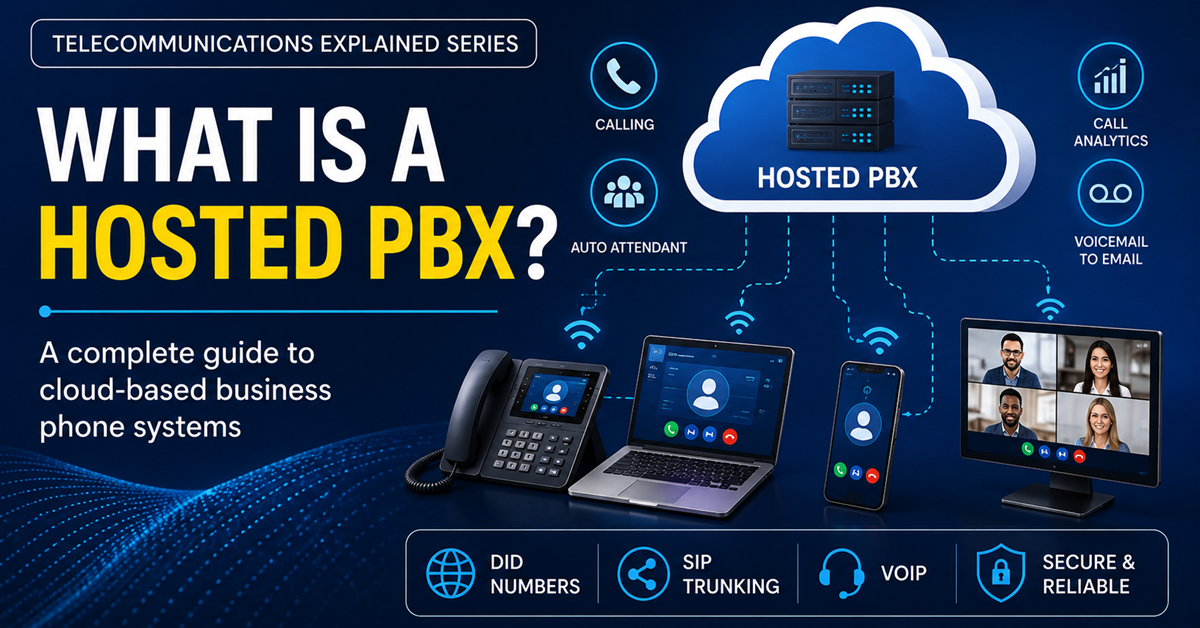
From manual switchboards and on-premises PBX hardware to VoIP and cloud communications, business telephony has changed dramatically over the past century. This series follows that evolution one technology at a time. After covering the PSTN, VoIP, SIP, SIP trunks, and DID numbers, we have reached the platform that brings many of those elements together. The next step is understanding what a hosted PBX is and how it brings many of these technologies together into a complete business phone system.
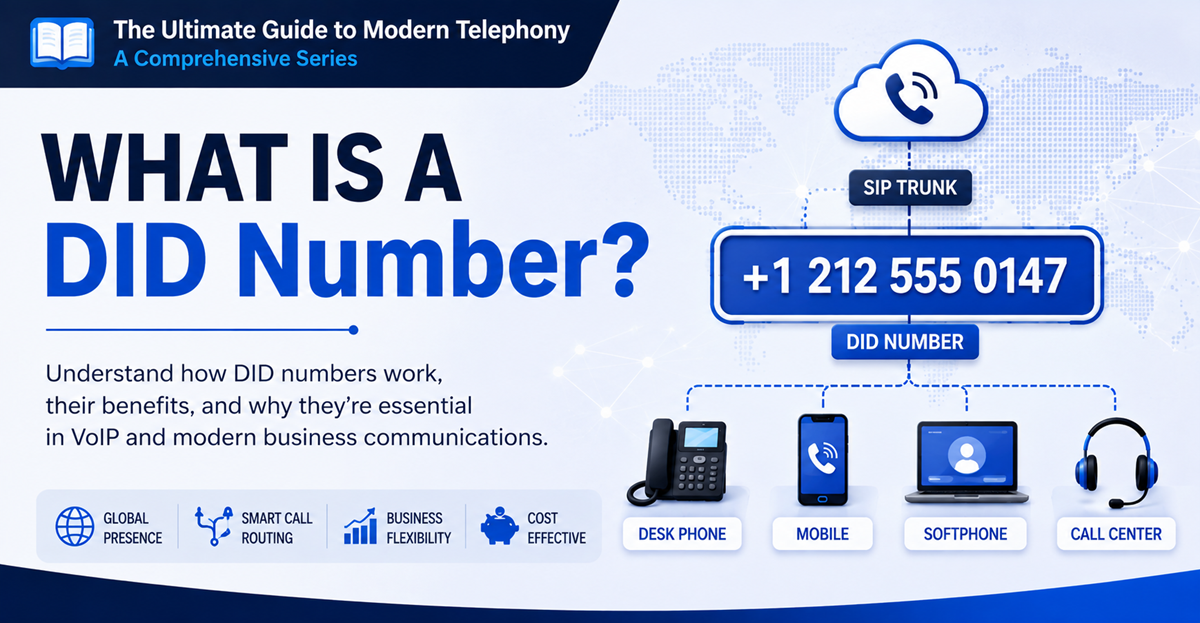
From the first telephone exchanges to today’s cloud platforms and AI voice agents, one thing has remained remarkably important in telecommunications: the phone number. Understanding what is a DID number is therefore an important step in understanding how modern phone systems connect callers with the right person, department, application, or AI service.
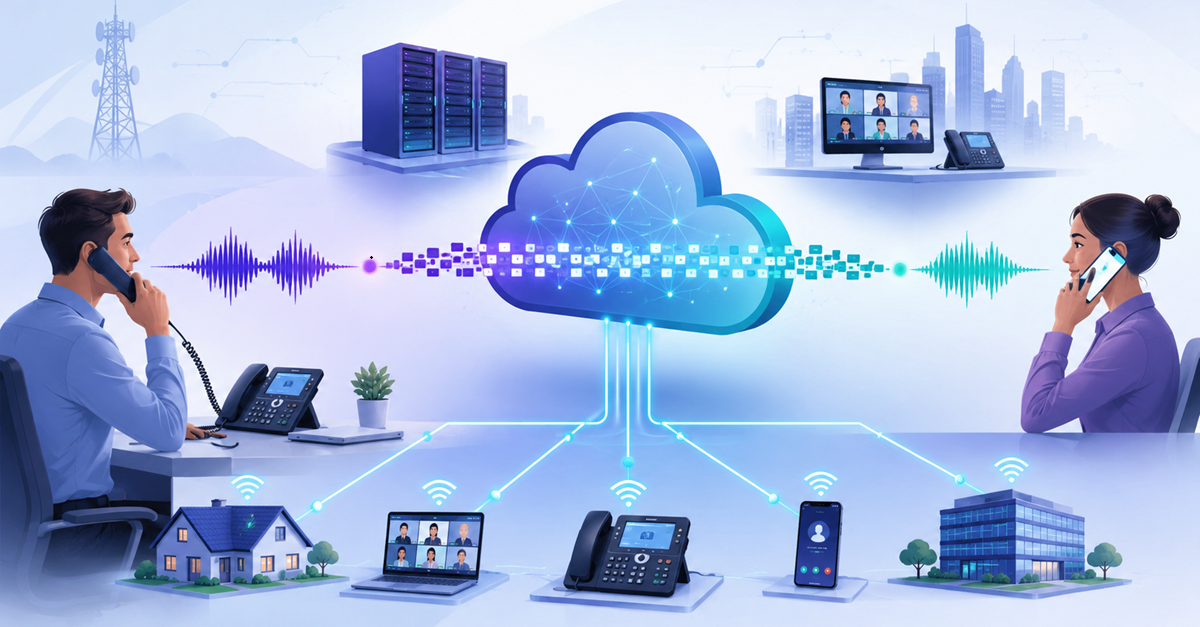
Before AI-powered phone agents, cloud contact centers, and Unified Communications began transforming the telecommunications industry, one technology fundamentally changed how people made phone calls: Voice over Internet Protocol. In the previous article, we explored PSTN, the traditional telephone network that connected the world for more than a century. The next logical step in our series is answering another essential question: What is VoIP?
We created this new article series to explain telecommunications in plain English. Each article answers a common “What is…” question without unnecessary jargon. The goal is to help business owners, IT professionals, telecom engineers, and anyone curious about communications understand how modern phone systems work. We begin at the very foundation of telecommunications: What is PSTN?
On 30 May 2006, 4PSA launched VoipNow, the VoIP control panel for service providers. Twenty years is a long time in communications. Technologies change. Business models adapt. Customer expectations grow. Yet some products stay relevant because they start from a real need and keep evolving. That is the story of VoipNow.

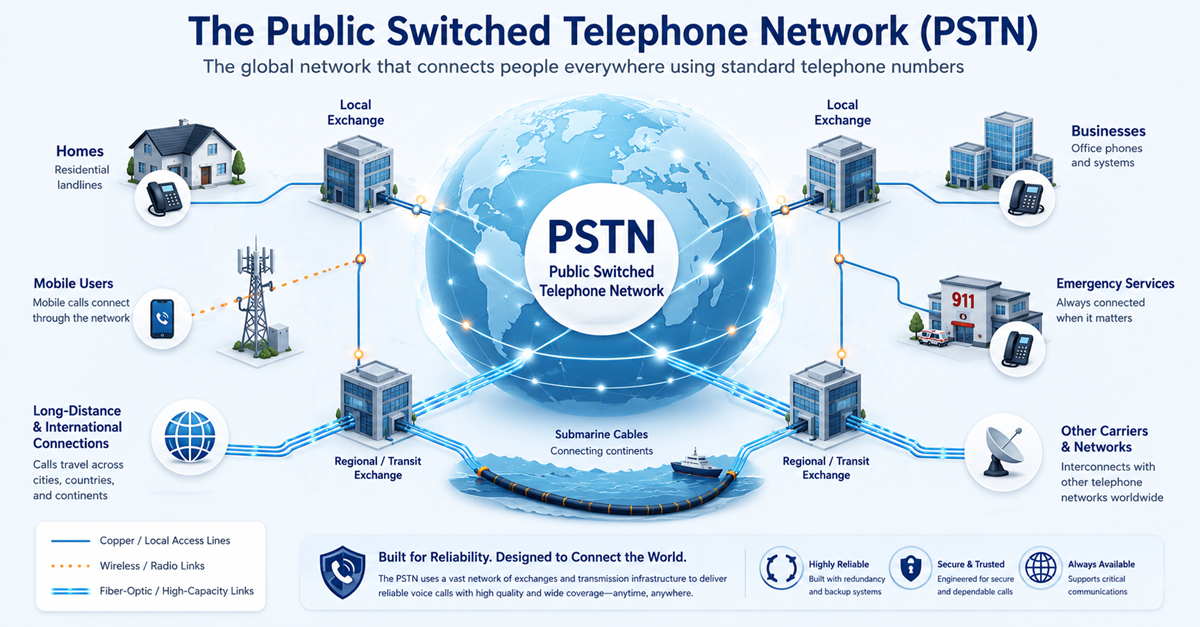
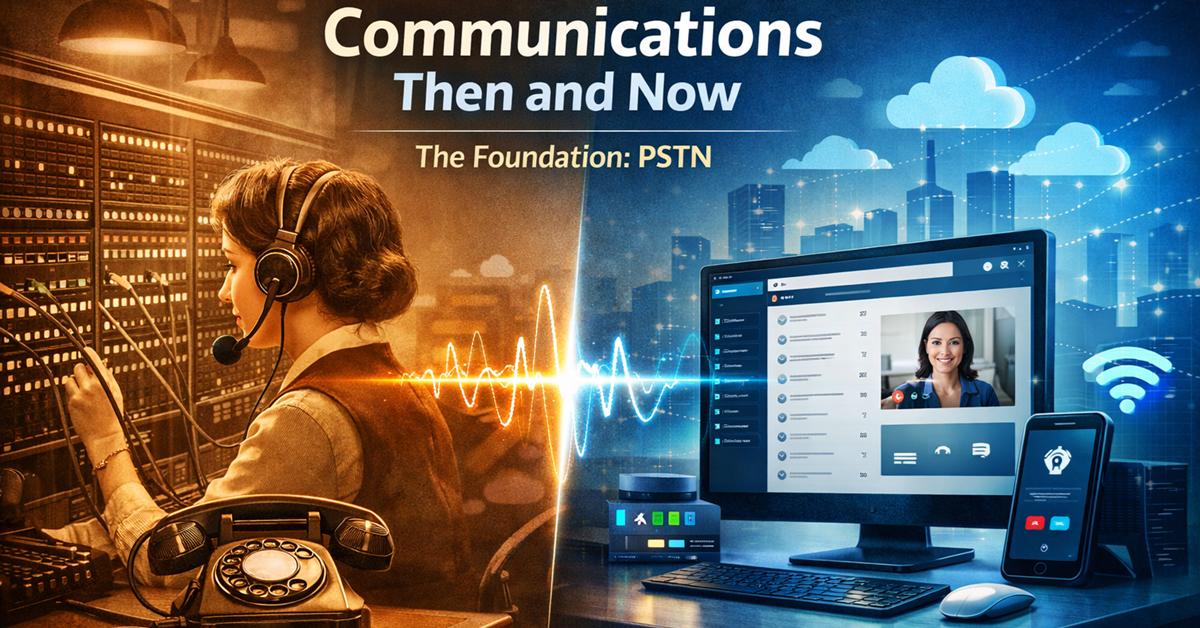
The Public Switched Telephone Network (PSTN) is the foundation of global voice communication. Long before internet-based communication became widespread, PSTN enabled reliable, real-time conversations across cities, countries, and continents.
In modern telephony, the concept of Direct Inward Dialing (DID) has changed the way calls are handled, making it easier for businesses to connect callers directly to the right person or department. In this article, we’ll cover what a DID number is, how it works, and why it remains essential in modern VoIP communication.

As part of my ongoing series analyzing key technology and telecom reports, I make it my mission to read the data behind the headlines. Many analyses promise the next big thing, but few reveal how close we actually are to it. The State of Voice AI 2025 Report from Deepgram and Opus Research is one of those few.


