Team dynamics are, in essence, processes and behaviors transpiring among team members. Team dynamics have a profound, albeit subtle impact. They influence both team performance and overall productivity. Indeed, the key dynamics of any team stem from roles and responsibilities. But it goes deeper than that. This guide covers team dynamics at length. To that end, we will follow both theory and practice over a series of articles. Even more, each article in this series offers actionable tips.

Search Results for: Communications
Boost productivity with breaks, it sounds counterintuitive. After all, productivity means that you are doing effective work. And no effective work happens on a break. In fact, this is a limited view on productivity.
In the past, more hours of work had a direct effect on production. More man-hours, meant more manufactured goods. The relation between time and the items produced was obvious.
Yet even then people had the right idea about productivity. Allegedly, Ford shocked the world by adopting the 40-hour workweek. And it worked! Even thought it made no sense at the time, it boosted productivity.

AI is the ominous presence of this century. Artificial Intelligence, looming over us like Frankenstein’s monster. While some fear that our future is in the Matrix, others hope for more of an “I, Robot” version. With three highly principled laws that protect all that is human from any possible harm (including emotional harm). Elon Musk would have you believe we’re already living in a simulation.
The fascination with AI often lingers in our minds because the possibilities seem endless. And various implementations of AI are becoming more and more affordable. Startups can already use AI to play around and figure new ways to boost productivity.

Team players always focus on team efforts. And teamwork and productivity go hand in hand. When every team member does a brilliant job, the overall results will match. And it’s our job to make sure we accommodate the team.
Even romantic relationships can be difficult to find and develop. And those typically involve 2 people. Recruiting, onboarding and developing a team member can be even more difficult. Firstly, there are many more people involved. Secondly, the incentives and end goals are different. Lastly, the strategy may or may not be based on exclusivity.
Truth be told, teams go through a long and difficult process to ensure the “right fit.” And that’s why teamwork doesn’t just happen. And it’s not too much to ask for a team player to step up and meet the team level. It might sound surprising. But today being “good at teams” is still a skill.

When it comes to business success, emotional intelligence beats IQ. Knowing how to manage our feelings is important. And understanding others is crucial for teamwork. In fact, managing emotions is a key leadership skill. Self-awareness, self-regulation, motivation, empathy and social skills. And it should not surprise us that empathy is the cornerstone of teamwork.

Most entrepreneurs are quick to experience fatigue. It’s only natural. There are simply so many decisions to make. Anything can go wrong, anytime. And some days are plain awful. Some days you might want to shut everything down. And move somewhere and fish for a living. Or fix fishing nets.
It is the work. Being an entrepreneur is a lot of work. And everything about that work is special. You deal with countless items every day. Product, strategy, development, marketing. New markets, optimizing. Or too much optimizing.
Productivity hacks are not a cheat. Instead, think of them as an enhancement to your productivity. A regular working experience has certain limitations. Entrepreneurship does not.

Staying focused is tough. Studies show that even experienced meditators find it hard to maintain focus. And many of them meditate thinking of nothing. Imagine how tough it is to focus at work. Jokes aside, focus is a serious issue that equates into billions in lost productivity every year. And this is simple to understand.


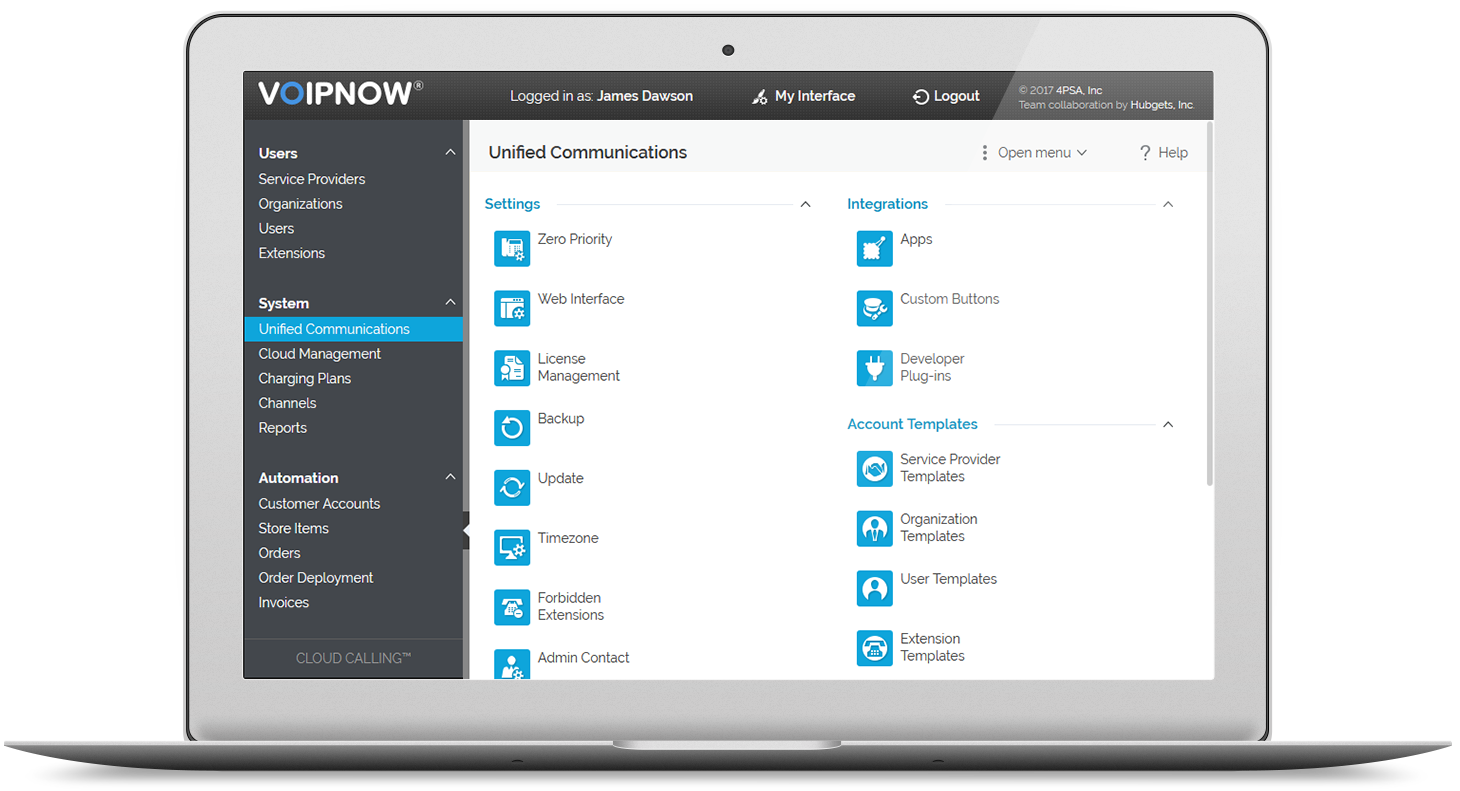
It all started more than 10 years ago. In 2006, VoipNow Platform had just landed on the Unified Communications market. Dutch cloud communication service provider Belcentrale was a new telephony operator from Rotterdam, the Netherlands.
What seemed to be a simple crush grew into a long-term relationship built on respect, professionalism, and mutual trust. This article describes how this partnership unfolded across a decade, in the hope that you will put these insights to good use in your business.
Team collaboration is what makes a team. Without it, you don’t have a team. Instead, you have a bunch of people working at the same time. However, true teams do more. They use collaboration to synergize.
Be that as it may, collaboration is not an intrinsic human need or priority. In fact, we learn to collaborate. And it’s a difficult process. This process has helped us achieve a lot. Most modern achievements are the result of collaboration.
Sure, you can cultivate greatness without collaboration. While writing poetry as a team might be fun, this is a one-person job. Also, a lot of other activities are not team activities. And that’s fine.
Team collaboration can be a metric on which you benchmark productivity. Yet, we should not confuse regular productivity with synergized productivity. In synergized productivity, the overall result is greater than the sum of inputs. Work has a final result of a value superior to the elements of work. For example, a Tesla S is greater than the sum of its parts. Yet, people could be very productive producing the parts. In this case, there is no added value, no synergy.

Onboarding done right. Surprise, it’s a challenge! In fact, a quick peek at employer review websites can tell you a lot about the value of onboarding. Dating is similar. First impressions matter. But that’s the interview. The love affair starts with onboarding.
Onboarding done right leaks when measuring quality of hire. If you’re not HR, quality of hire is a trendy metric to track. While tough to calculate, it does provide valuable insight. It is also a gateway into building a system of metrics on which to plan improvement goals. Quality of hire factors in various items. Indicators such as job performance, ramp-up time, enthusiasm, cultural fit and more. Fear not, we won’t attempt to do a math model of quality of hire.