
comScore is out with the latest “smartphone wars” data reporting key trends in the U.S. mobile industry by platform, OS, and apps. The results will come as no surprise to those keeping close tabs on the OEM battle and other aspects surrounding our beloved handhelds.
Posts in Category: industry
In a paper on the state of telecommuting, Telework Research Network acknowledges that the U.S. workforce is increasingly mobile, “but, beyond that broad statement, we know little about the rate of increase in mobility — how often people are out of the office, where they are, and what they’re doing. For that matter, there’s no agreed-upon method of defining who they are.”
Or isn’t there? Ctrip, China’s largest travel agency, joined forces with Nicholas Bloom, an economics professor at Stanford University, in order to find out how telecommuting impacts the worker, the boss, and the business. 250 of Ctrip’s employees volunteered as lab rats in the experiment, with half being deployed at home and half in the office. They found that the benefits were short term.
Pew Research loves to poll people. The think tank has an impressive number of fact sheets regarding phone usage in countless scenarios, including one about public usage, which reveals some interesting particularities about us using our handsets on the street.
As you can imagine, people use their devices for a wide array of tasks, from socializing to finding their way around the city. But here are the actual usage patterns of Americans:
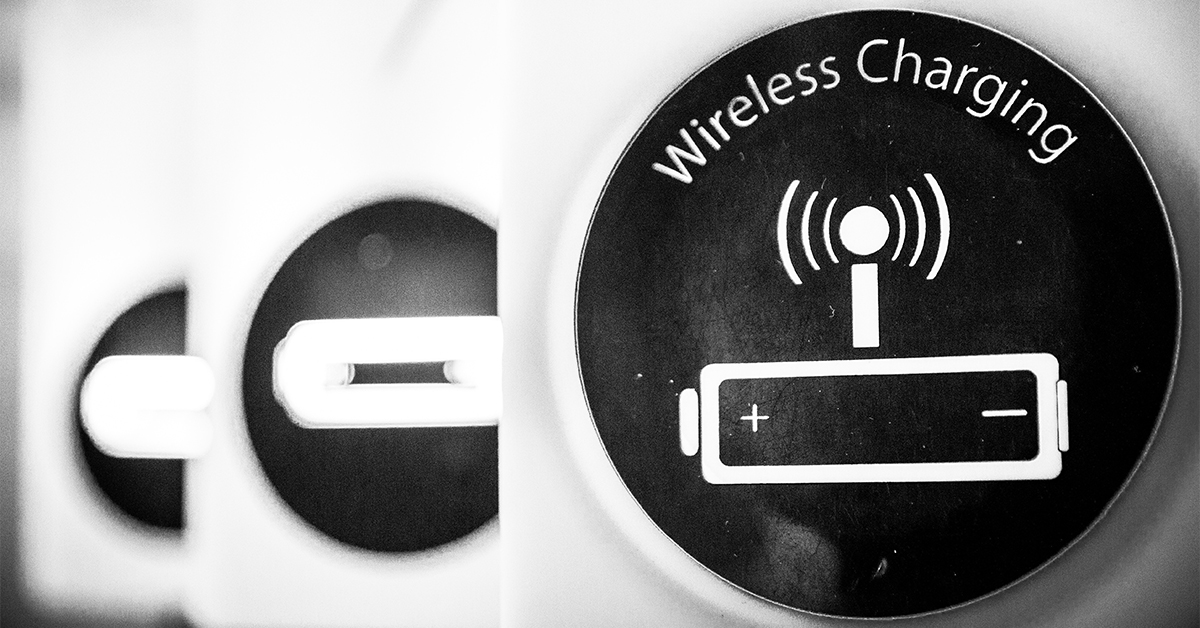
Photo by Limor Zellermayer on Unsplash
Ask yourself this: “am I using my phone too much?” If you’re like most people, chances are you’ll say “yes.” And it’s difficult not to, with so much connectivity at our fingertips and everyone doing it. But the reality is our cell phone usage today is moderate compared to what’s coming.
One big limitation that keeps us from constantly fiddling with our phones is battery life. On a full tank, we have no problem watching videos, playing games and browsing Facebook, sometimes for hours at a time. But the minute that battery meter drops below 20% we enter power-save mode. And I’m not talking about dimming the screen or switching from 4G to 3G either. No. I’m talking about literally going into power-save mode ourselves, by limiting actual usage of the phone. However, all that is about to change really soon.

Photo by rawpixel on Unsplash
What’s the #1 attribute that a CEO must possess? According to the hundreds of chief executives polled by PwC for its 2015 Pulse survey, the key ingredient to be at the top of your game in this line of work is “strategy.”
The respondents were not named (for obvious reasons), but PwC highlighted some of their answers in quotes. One CEO piqued, “The crucial thing a CEO has to be capable of is to think strategically, which means to recognise changes in the market early and then formulate the consequences for their business.”

Photo by Rock’n Roll Monkey on Unsplash
AI is the talk of the town these days. Every major tech juggernaut is trying to grasp machine intelligence and Facebook seems to be on a very promising track with an all-new personal assistant called ‘M.’ Unlike Google Now, Cortana, or Siri, Facebook M doesn’t ask you to repeat what you said, nor does it dump a bunch of Internet links on you when the query is too difficult for the algorithms to handle. When it hits a search roadblock, it starts to ask around.

Photo by Clem Onojeghuo on Unsplash
It’s official: the millennial generation (born between 1980 and 2000), also referred to as Generation Y, now makes up the majority of the labor force in the U.S. In other words, the population aged 16 to 34 today is commanding the workplace. And they have plenty of demands to go with this milestone.

Photo by rawpixel on Unsplash
Making sure you sound good over the phone is critical to building a good rapport with your clients. Whether you’re converting a lead into a buying customer or troubleshooting a technical issue, there are many techniques you can use to get the person on the other end of the line to really like you. Here are some of them.

When we set out to develop Hubgets, we started with the customer’s problem – fragmented collaboration – then we began building. Creating a top-notch product for a non-existing market gets you nowhere. You want to analyze the problem first, then find the solution.
This mindset isn’t typical in business, believe it or not. Many companies create products with their fingers crossed behind their backs hoping someone will buy them. We don’t think that’s the right way to go. That’s why we designed Hubgets to look and feel a lot like a social networking platform – one that people would know how to pick up and use at first glance, creating a lean learning path for everyone looking to boost their collaborative efforts, internally and externally.

Photo by Adeolu Eletu on Unsplash
Business leaders make investments based on the likelihood that said investment will be returned. Rarely does an executive pour money into a project whose outcome (return on investment) cannot be immediately quantified. Experts say this is a huge mistake on their part.
Customer experience expert Augie Ray talks about the tremendous importance of customer experience and how every company should prioritize this as much as possible. The key question tackled in his lecture:


