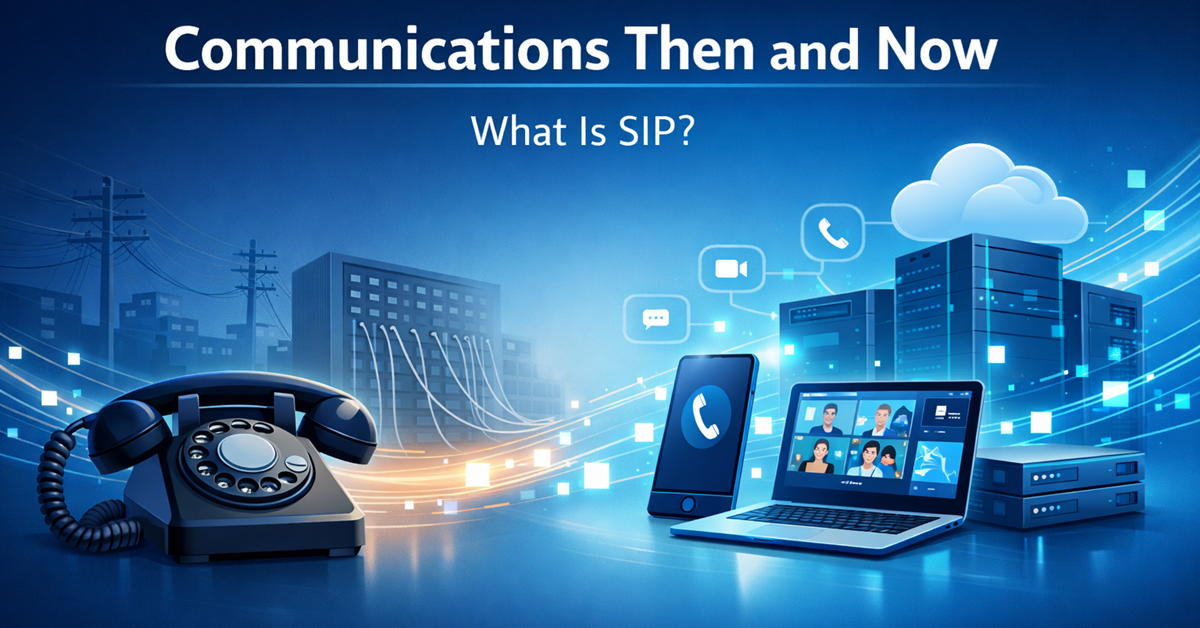
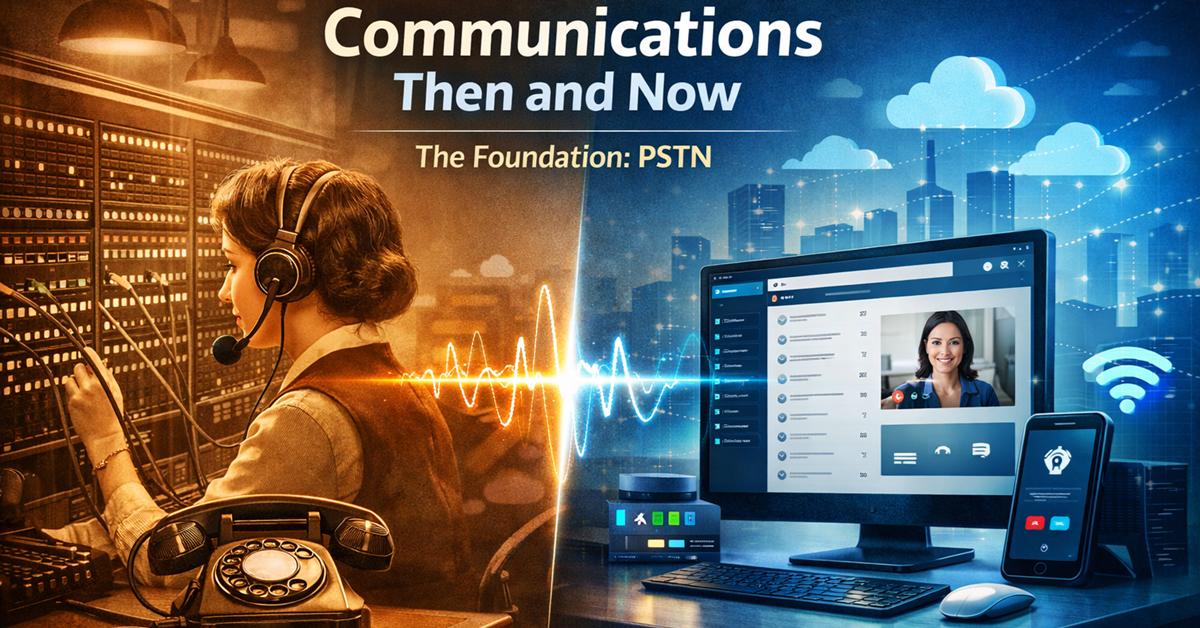
The Public Switched Telephone Network (PSTN) is the foundation of global voice communication. Long before internet-based communication became widespread, PSTN enabled reliable, real-time conversations across cities, countries, and continents.

The Public Switched Telephone Network (PSTN) is the foundation of global voice communication. Long before internet-based communication became widespread, PSTN enabled reliable, real-time conversations across cities, countries, and continents.

In modern telephony, the concept of Direct Inward Dialing (DID) has changed the way calls are handled, making it easier for businesses to connect callers directly to the right person or department. In this article, we’ll cover what a DID number is, how it works, and why it remains essential in modern VoIP communication.

Whether you’re deploying VoIP (Voice over Internet Protocol) for the first time or optimizing an existing setup, a clear network layout makes all the difference. VoIP network diagrams provide a structured view of your voice infrastructure, showing how core components connect and helping you plan for better call quality, stronger security, and future growth.

Extension virtualization is transforming today’s workplace by allowing employees to log into their communications accounts from any approved desk or device. This flexible strategy, often implemented through hot desking, helps companies cut real estate and hardware costs, enhance collaboration, and deliver better customer service.

In today’s fast-paced business landscape, customer service and seamless communication are non-negotiable. A reliable phone system is critical for connecting with clients, collaborating with teams, and scaling operations. Among the most transformative solutions there is the hosted phone system, a cloud-based phone system that redefines how businesses communicate. This guide explores its features, advantages, and limitations to help you decide if it’s the right fit for your organization.

With the rapid advancement of technology, businesses have been presented with innovative solutions to streamline their communication processes. One such solution is a cloud phone system. In this article, we will explore the pros and cons of implementing such a phone system, allowing you to make an informed decision for your business needs.

For a long time now, telecommunications have been playing a pivotal role in our lives. From personal conversations to business transactions, the ability to communicate seamlessly over the phone is indispensable. However, with the rise of technology comes the need for enhanced privacy measures. No caller id is one of the available options allowing callers to conceal their phone number from the recipient.

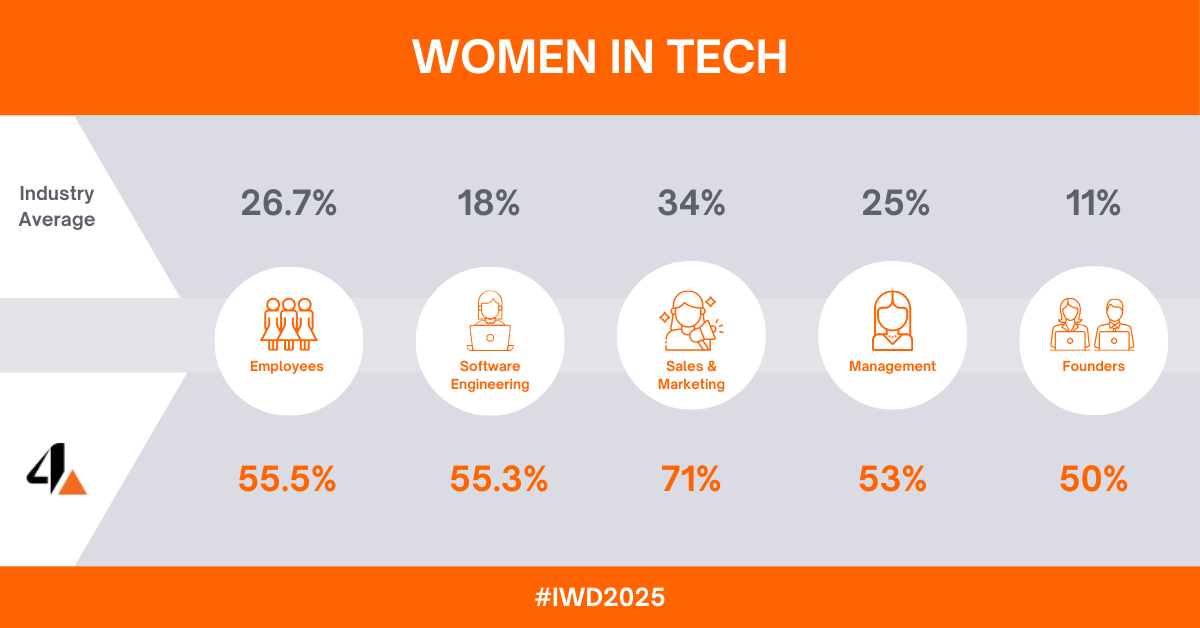
International Women’s Day (IWD), observed annually on March 8, serves as a global rally for gender equality, a mission that resonates profoundly within the technology sector. As we mark this day in 2025, we reflect not only on the advancements made by women in tech but also on the systemic barriers that persist. The underrepresentation of women in tech roles—a gap that stifles innovation and economic growth—remains a critical challenge.

In today’s digital age, communication has undergone a remarkable transformation. One of the key technologies driving this change is IP telephony, also referred to as internet telephony or Voice over IP (VoIP). This innovative approach allows voice and multimedia sessions to be transmitted over the internet, providing a more efficient, cost-effective, and versatile alternative to traditional telephone systems.

In the world of business communication, call parking is a concept that plays a crucial role in ensuring efficient and effective handling of phone calls. By temporarily parking a call, businesses can easily transfer and retrieve calls between different extensions without disrupting the flow of communication.