The Public Switched Telephone Network (PSTN) is the foundation of global voice communication. Long before internet-based communication became widespread, PSTN enabled reliable, real-time conversations across cities, countries, and continents.
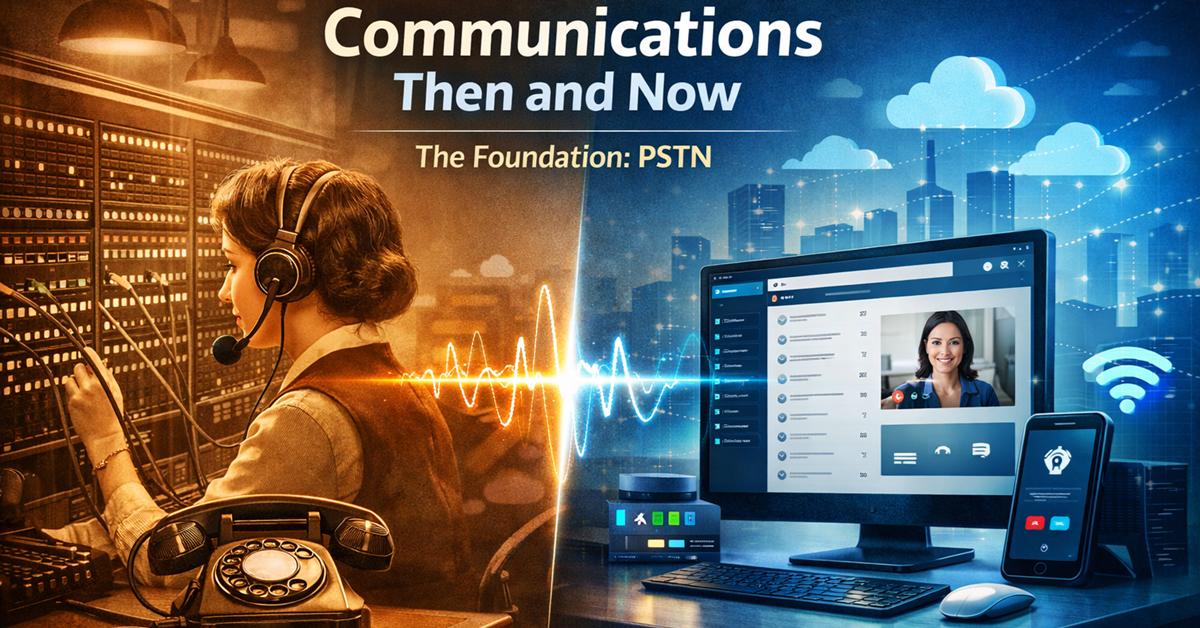
The Public Switched Telephone Network (PSTN) is the foundation of global voice communication. Long before internet-based communication became widespread, PSTN enabled reliable, real-time conversations across cities, countries, and continents.
Call waiting offers a convenient way to manage incoming calls. It’s a telephony feature that allows us to be notified of another call while already engaged in a conversation. In this article, we will delve into the meaning of call waiting. Next, we explore its functionality and benefits, learn how to use it effectively, troubleshoot any issues that may arise. We then discuss the future of this technology.

In today’s fast-paced business landscape, customer service and seamless communication are non-negotiable. A reliable phone system is critical for connecting with clients, collaborating with teams, and scaling operations. Among the most transformative solutions there is the hosted phone system, a cloud-based phone system that redefines how businesses communicate. This guide explores its features, advantages, and limitations to help you decide if it’s the right fit for your organization.

With the rapid advancement of technology, businesses have been presented with innovative solutions to streamline their communication processes. One such solution is a cloud phone system. In this article, we will explore the pros and cons of implementing such a phone system, allowing you to make an informed decision for your business needs.

For a long time now, telecommunications have been playing a pivotal role in our lives. From personal conversations to business transactions, the ability to communicate seamlessly over the phone is indispensable. However, with the rise of technology comes the need for enhanced privacy measures. No caller id is one of the available options allowing callers to conceal their phone number from the recipient.

In today’s digital age, communication has undergone a remarkable transformation. One of the key technologies driving this change is IP telephony, also referred to as internet telephony or Voice over IP (VoIP). This innovative approach allows voice and multimedia sessions to be transmitted over the internet, providing a more efficient, cost-effective, and versatile alternative to traditional telephone systems.

Phone call transfers play a crucial role in customer service and communication. When handling customer inquiries or requests, it is often necessary to transfer the call to a different department or team member who can provide the required assistance. However, it is essential to understand the importance of an effective call transfer to ensure a seamless experience for the customer.

Are your clients sick and tired of robocalls and call spam? If they complain about receiving unknown and spoofed numbers throughout the day, it’s because these calls disrupt meaningful work and can lead to both financial and reputational losses. In US and Canada, the STIR/SHAKEN frameworks are available especially for such cases.
Call routing is a critical component of modern communication systems. It is the process of directing incoming calls to the most appropriate destination based on predefined rules. To ensure an efficient and fair distribution of calls, various routing algorithms have been developed. One such algorithm is the round robin call routing algorithm, which we will explore in this article.

WebRTC, which stands for Web Real-Time Communication, is a revolutionary technology that has completely transformed the way we make calls. With WebRTC, users can communicate with each other in real-time over the internet, without the need for any additional plugins or software downloads. In this article, we will explore the basics of WebRTC, its role in communications and how it is revolutionizing calls.