
I’m a socially active user. I have a LinkedIn account for my business connections, Facebook for friends, and Twitter to stay updated with interesting news. Sometimes, I even write blog articles and torment my friends with them 😉 . But this does not stop me from sending emails, having voice calls or using the chat.
Search Results for: Communications

Artificial intelligence is reshaping how modern businesses operate, evolving from simple chatbots and productivity tools into technology capable of supporting complex business processes. Today, AI for enterprise enables organizations to automate workflows, make better use of their data, and execute tasks with limited human intervention.

Throughout our telecommunications series, we have explored how communication has evolved from traditional telephone networks to VoIP, SIP, hosted PBX, and Unified Communications. We have also examined real-time communication. This article turns to another technology that helped bridge traditional telephony and IP networks: the T.38 fax protocol.

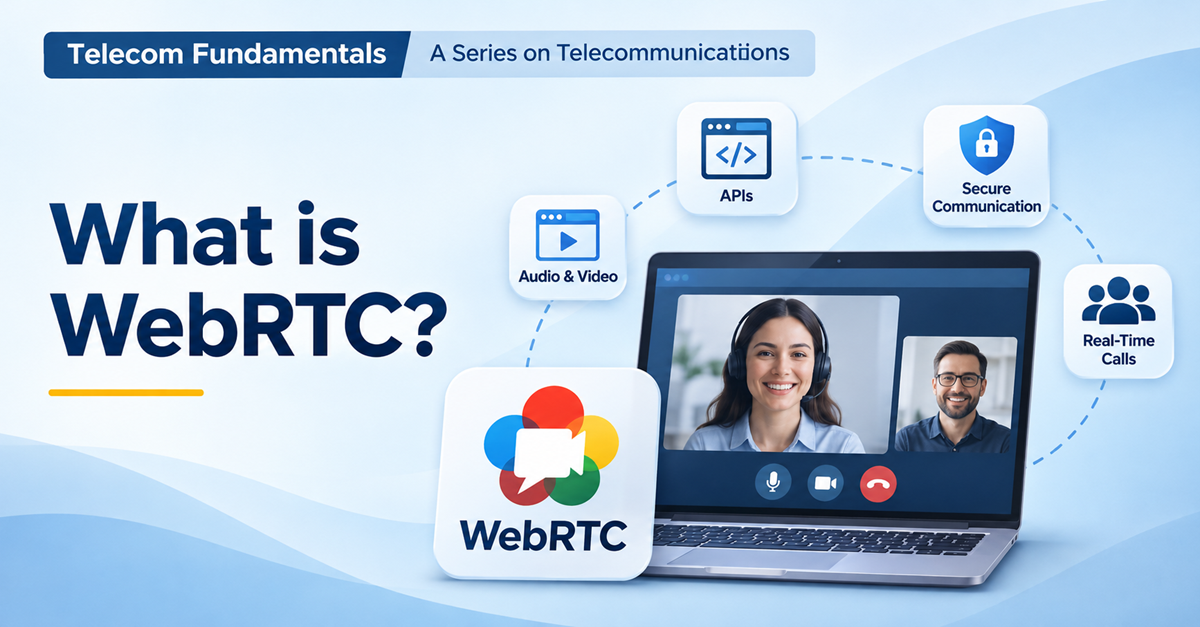
WebRTC is a set of standardized APIs and protocols for real-time audio, video, and data exchange. It enables browser-based communication without requiring users to install plug-ins. In this installment of our telecommunications series, we explain how WebRTC works, where it fits into business communications, and how to test connectivity and privacy.
Throughout this telecommunications series, we’ve traced the evolution of communication from traditional telephone networks to VoIP, SIP, hosted PBX, and Unified Communications. We’ve also examined the features that help businesses manage calls and connect people. In the previous article, we discussed conference calls and how multiple participants can share an audio conversation. Now, we turn to video conferencing, a technology that adds real-time visual communication to the familiar conference call.

Throughout our telecommunications series, we have explored how voice communication evolved over time. We have also examined essential phone system features. Now, let’s explore the conference call, a familiar capability that brings several people into the same real-time conversation, regardless of where they are located.

Throughout this telecommunications series, we have examined how voice communication evolved from traditional telephone networks to VoIP, SIP, hosted PBX, Unified Communications, and intelligent call handling. The previous article covered intercom systems, which enable direct communication between people or locations. Paging serves a different need: delivering one announcement to a defined group, area, or building.

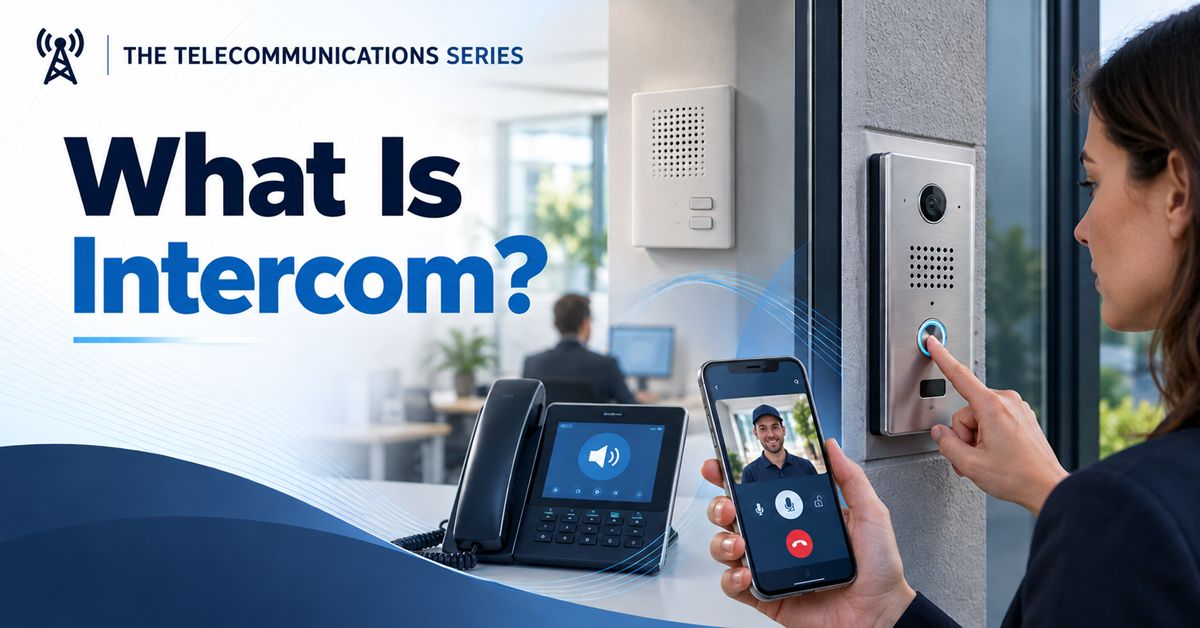
In our telecommunications series, we have followed the evolution of voice communication from the PSTN to modern IP-based systems. And each technology solves a different communication problem. Now, we turn to what is intercom and how it works in a VoIP environment.
From answering machines and enterprise PBXs to cloud communications and Voice AI, voicemail has followed telecommunications through several generations of technology.

From switchboards and PBX systems to cloud communications and AI‑powered voice services, understanding IVR meaning helps explain how the telecommunications industry has steadily moved toward more automated and intelligent call handling.


