
People who camp regularly know that keeping food and drinks cold is as easy as improvising a cellar fridge by digging a hole in the ground. The deeper you go, the cooler it gets. But if you need to store half a ton of groceries without them touching soil and vermin, Dutch company Weltevree promises to offer the ideal solution.

Photo by Neven Krcmarek on Unsplash
My article Why Tesla Must Get Back To Edison that was featured on LinkedIn Editor’s Picks attracted a lot of comments. I wish to thank every reader and commenter. While at first I wanted to answer each comment personally, I discovered that many comments required an extensive and very similar answer, therefore I decided to write this article.
We have a refrigerator-sized printer in our office and I can’t say we’ve developed the best relationship. I got the lucky desk right next to it. It’s inches away from my face, blowing air and making deafening sounds as my colleagues enlist its services on an hourly basis. But if this study by Clarus Research is any indication, my employers are the most affected by this contemporary R2D2, not me.
I don’t know about you, but whenever I use Google Translate for an entire sentence, I never expect the translation to go smooth. It’s not just me. The more distant the two languages (etymologically speaking), the harder it is for Google’s hamsters to pedal. Enter Linqapp, now available not just on Android but iOS too.
Immediately after Tesla released Tesla Powerwall, the Internet was flooded with lots of articles discussing the real pricing of the new Tesla product. You do not have to be a genius to notice that Powerwall is not economically efficient. Even the economics behind lead acid batteries based systems is debatable, although these batteries cost three times less than the Li-Ion batteries used by Tesla.
It looks like Moore’s Law doesn’t have to die after all. Instead of struggling to take silicon all the way down to its physical limit, scientists have decided to cut a few corners and go atomic using transition-metal dichalcogenides (TMDs).
Photo by rawpixel on Unsplash
Research done by Vanson Bourne indicates that Enterprise use of Unified Communications (UC) across Europe is lagging behind demand. Because of issues that lie at an infrastructure level, less than a third of organizations are able to fully support UC technology across all sites.
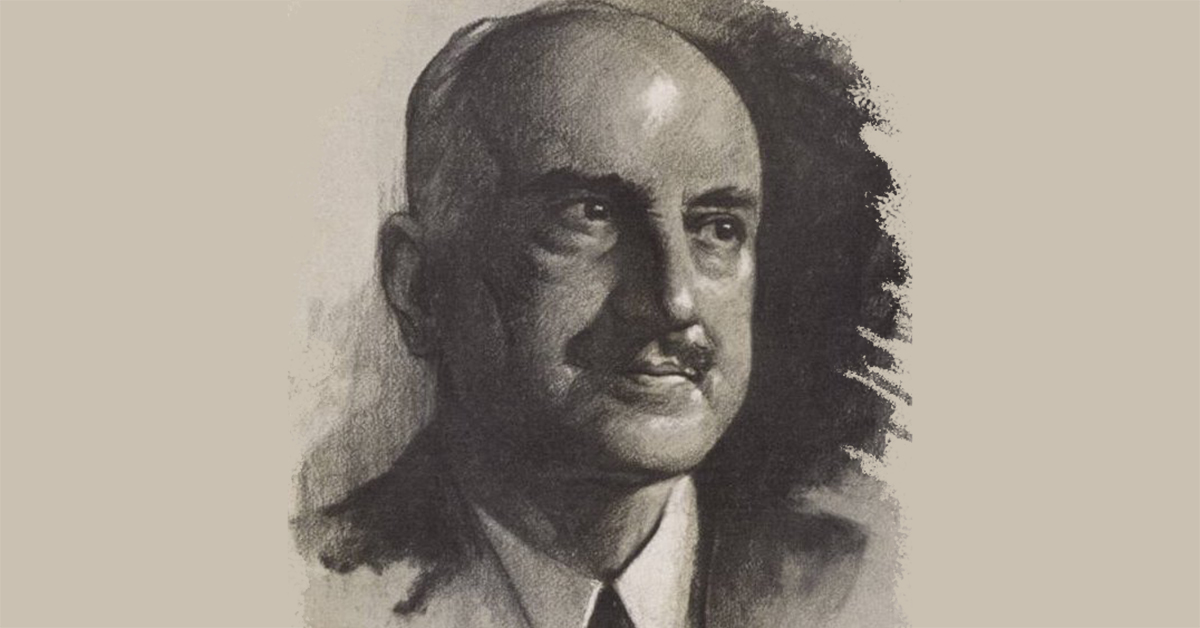
Artist: Samuel Johnson Woolf (1880-1948). Time magazine.
I’ve never been much of a history fan. Whether it had something to do with that tyrant of a teacher I had or my limited attention span, I’ve always found it hard to commit battles and reigning years to memory.
Researchers at the Georgia Institute of Technology in Atlanta have devised a new way to make graphene-based digital applications, potentially laying another milestone towards finally replacing silicon in computers.
A bunch of students at Stanford University have come up with a miniature type of robot that’s so strong it can haul nearly 2,000 times its own weight. It uses “gecko” feet to accomplish the feat, and it has the potential to revolutionize industry.


