
When was the last time you exercised your agency and made a decision without feeling pressured to rush? Or spent an afternoon working on something important without wondering what else demanded your attention?

When was the last time you exercised your agency and made a decision without feeling pressured to rush? Or spent an afternoon working on something important without wondering what else demanded your attention?
Finding motivation at work is hard when the world feels unstable. Economic uncertainty, wars, political tensions, and rapid technological change compete for our attention. Such instability raises difficult questions about our careers, finances, and future. Yet, within that same uncertainty lie opportunities: to grow skills that matter, to focus on what we can control, and to build work that feels meaningful even when the bigger picture is unclear.

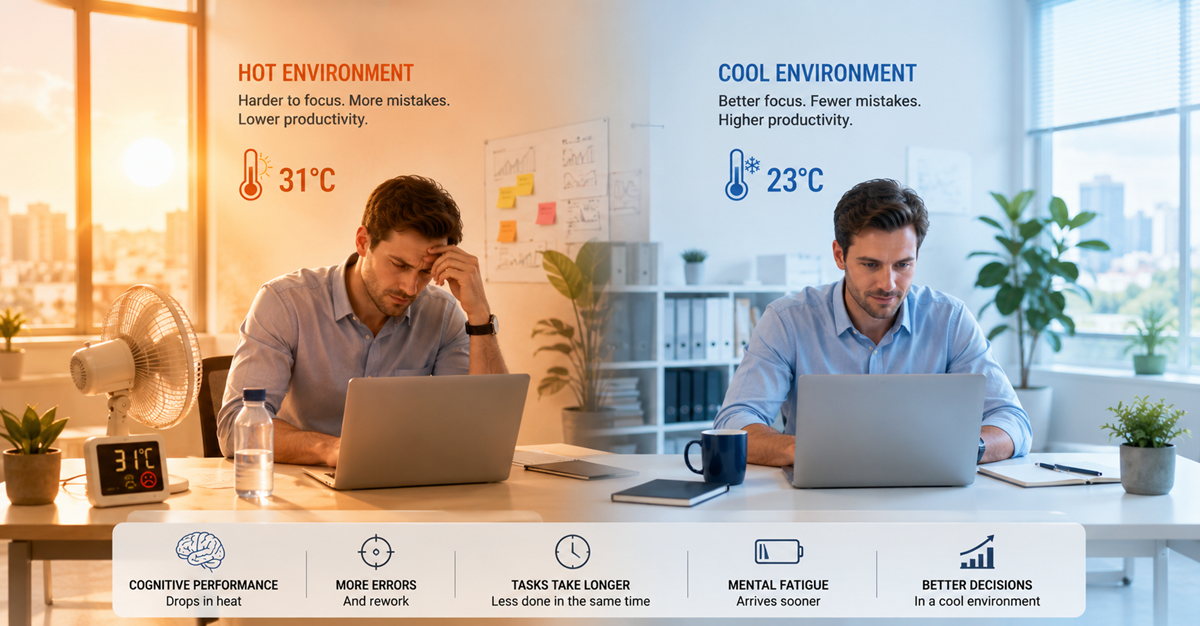
Summer brings longer days, brighter mornings, and, for many of us, more heat. While we usually think of heat as something that affects our comfort, research shows it also affects how we think. If you’ve ever struggled to concentrate during a hot afternoon, needed more time to finish a task, or made mistakes that you normally wouldn’t, your brain may simply have been responding to a warmer environment.
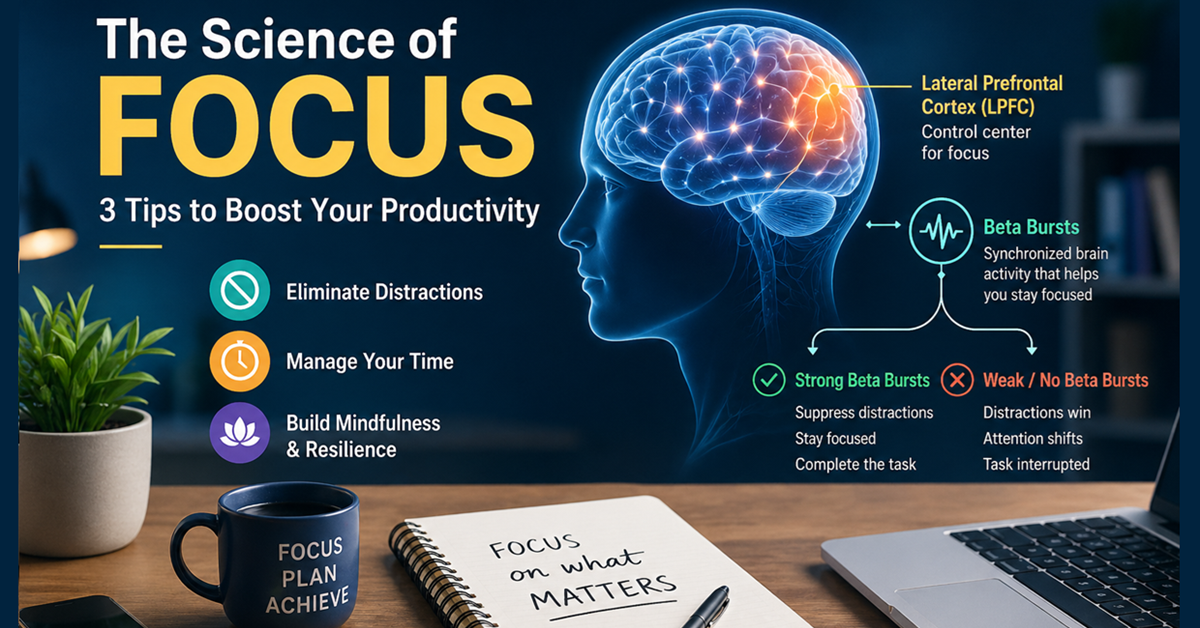
Maintaining focus can be increasingly difficult in this hyper-connected world. With constant distractions from technology, work, and personal responsibilities, finding the ability to concentrate on tasks can feel like an uphill battle.
A typical workday is fast and fragmented. Notifications, meetings, and multitasking are constant. You produce content, but thinking time is often limited. This is where analog tools become useful again. Cursive writing by hand creates a different pace. It gives your brain space to process.

Workplaces have been transforming for years, but the rise of artificial intelligence (AI) has accelerated this evolution. While discussions about AI often revolve around job displacement, the more practical and immediate reality for most organizations is different. AI is becoming a powerful partner to human skills and intelligence.

Reading was once a normal part of daily life. And for many of us, it still holds that vital place. But today, it feels harder than ever. Messages, dashboards, alerts, and short content compete for our attention nonstop. Yet reading endures as one of the most reliable ways to improve how we think and how we work.

December is here, along with its festive atmosphere, packed calendars, and year-end pressures. For many of us, it’s one of the hardest months to stay productive. Between office parties, family gatherings, shortened workweeks, and the mental load of wrapping up the year, maintaining focus can become a real challenge.

In today’s fast-paced world, productivity is essential for achieving both personal and professional success. With constant distractions and competing demands on our time, it’s easy to lose focus and feel overwhelmed. In this article, we’ll dive into the habits of highly productive people, offering practical insights and actionable strategies you can apply right away to work smarter, stay focused, and accomplish more.

In every project, the difference between a team that executes and one that struggles often comes down to something deceptively simple: follow-up. When done right, follow-up creates accountability, clarity, and progress. When done poorly, or not at all, it drains focus, undermines trust, and leaves tasks drifting in ambiguity.


