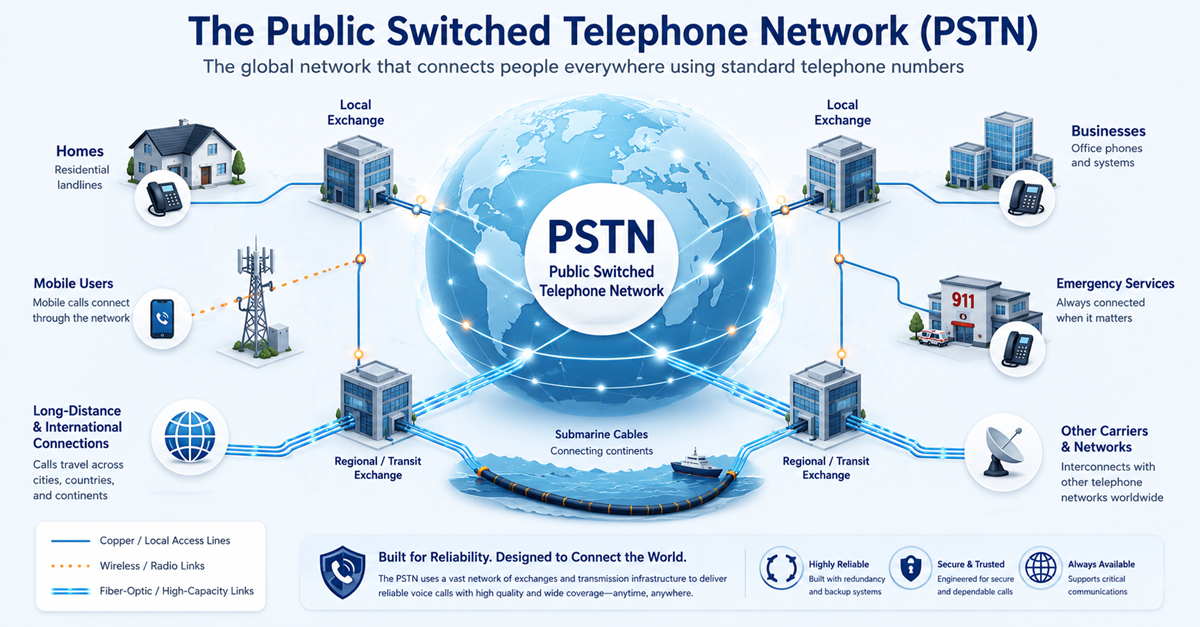
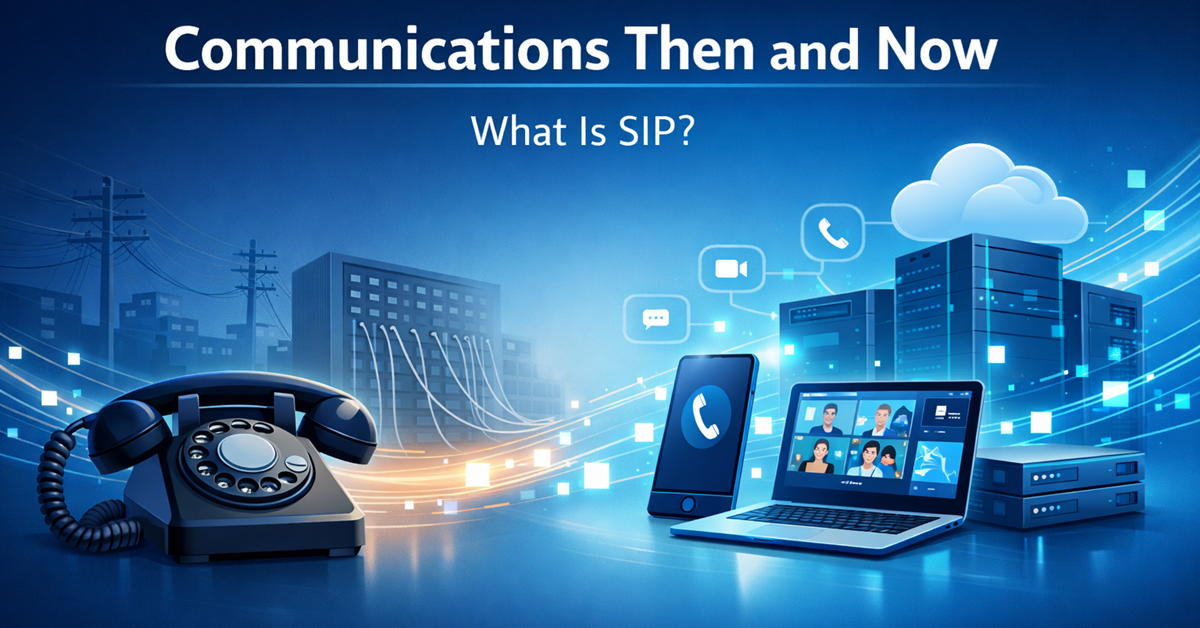
The Public Switched Telephone Network (PSTN) is the foundation of global voice communication. Long before internet-based communication became widespread, PSTN enabled reliable, real-time conversations across cities, countries, and continents.

The Public Switched Telephone Network (PSTN) is the foundation of global voice communication. Long before internet-based communication became widespread, PSTN enabled reliable, real-time conversations across cities, countries, and continents.

In recent years, embracing AI at work has shifted from a forward-thinking idea to a practical necessity across many industries. Artificial intelligence is already transforming how businesses operate and how people approach their daily tasks. Yet, despite its clear advantages, AI still carries a sense of uncertainty for many employees.

Driven by rapid technological advancement, evolving employee expectations, and global disruption, the future of work is undergoing one of the most profound transformations in modern history. With artificial intelligence (AI) becoming embedded in everyday operations, the future of work has fundamentally changed direction.

Workplaces have been transforming for years, but the rise of artificial intelligence (AI) has accelerated this evolution. While discussions about AI often revolve around job displacement, the more practical and immediate reality for most organizations is different. AI is becoming a powerful partner to human skills and intelligence.

Voice AI is transforming how humans interact with machines, evolving from basic text-to-speech (TTS) systems to sophisticated neural networks capable of expressive, human-like communication. As speech synthesis becomes more natural and accessible, industries worldwide are reimagining customer service, education, healthcare, and creative content.

VoipNow 5.7 is now available, laying the foundation for smarter voice services. The new version introduces AI voice agent integration, AI-driven automation and call flow control through MCP, along with significant performance and security enhancements across the platform.

As a business owner, you know that the landscape of your industry is constantly changing and evolving. To remain competitive, many companies are now focusing on business automation strategies that help streamline operations and adapt to new market demands.

Reading was once a normal part of daily life. And for many of us, it still holds that vital place. But today, it feels harder than ever. Messages, dashboards, alerts, and short content compete for our attention nonstop. Yet reading endures as one of the most reliable ways to improve how we think and how we work.

In modern telephony, the concept of Direct Inward Dialing (DID) has changed the way calls are handled, making it easier for businesses to connect callers directly to the right person or department. In this article, we’ll cover what a DID number is, how it works, and why it remains essential in modern VoIP communication.

Whether you’re deploying VoIP (Voice over Internet Protocol) for the first time or optimizing an existing setup, a clear network layout makes all the difference. VoIP network diagrams provide a structured view of your voice infrastructure, showing how core components connect and helping you plan for better call quality, stronger security, and future growth.