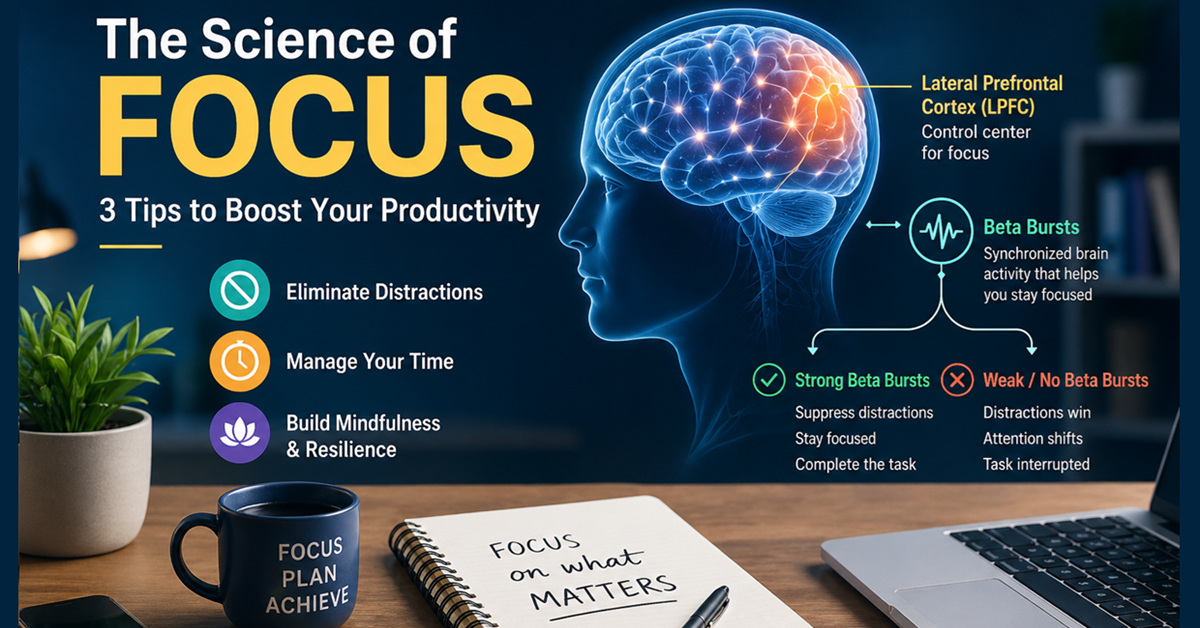
Maintaining focus can be increasingly difficult in this hyper-connected world. With constant distractions from technology, work, and personal responsibilities, finding the ability to concentrate on tasks can feel like an uphill battle.

Maintaining focus can be increasingly difficult in this hyper-connected world. With constant distractions from technology, work, and personal responsibilities, finding the ability to concentrate on tasks can feel like an uphill battle.

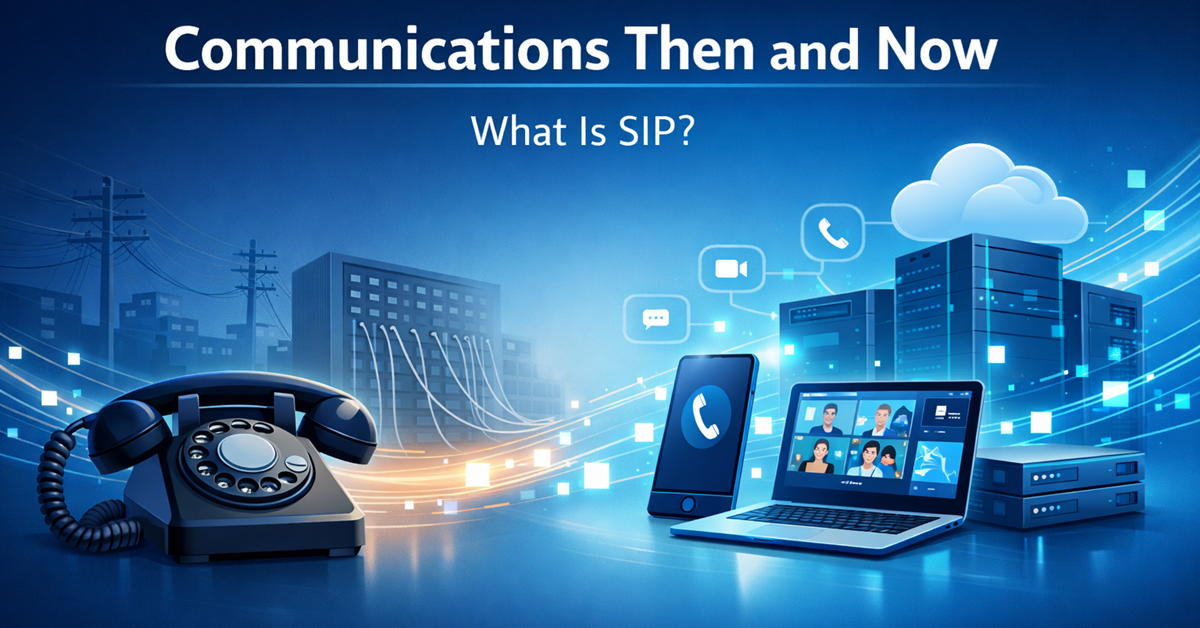
In the previous article, we explored PSTN, the foundation of global voice communication and the system that defined telephony for over a century. While this legacy infrastructure enabled reliable connectivity, it also exposed the limitations of circuit-switched communication in a rapidly evolving digital landscape. To move forward, it becomes essential to answer a key question: what is SIP, and how does it enable modern, flexible communication over IP networks?

A typical workday is fast and fragmented. Notifications, meetings, and multitasking are constant. You produce content, but thinking time is often limited. This is where analog tools become useful again. Cursive writing by hand creates a different pace. It gives your brain space to process.

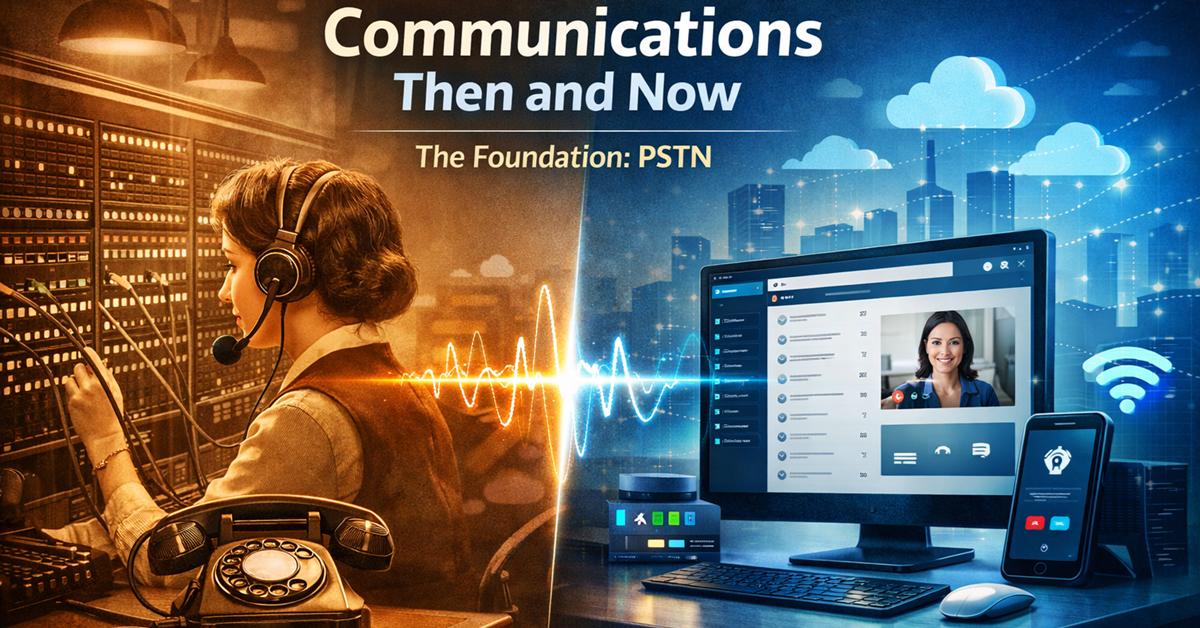
The Public Switched Telephone Network (PSTN) is the foundation of global voice communication. Long before internet-based communication became widespread, PSTN enabled reliable, real-time conversations across cities, countries, and continents.

Driven by rapid technological advancement, evolving employee expectations, and global disruption, the future of work is undergoing one of the most profound transformations in modern history. With artificial intelligence (AI) becoming embedded in everyday operations, the future of work has fundamentally changed direction.

Workplaces have been transforming for years, but the rise of artificial intelligence (AI) has accelerated this evolution. While discussions about AI often revolve around job displacement, the more practical and immediate reality for most organizations is different. AI is becoming a powerful partner to human skills and intelligence.

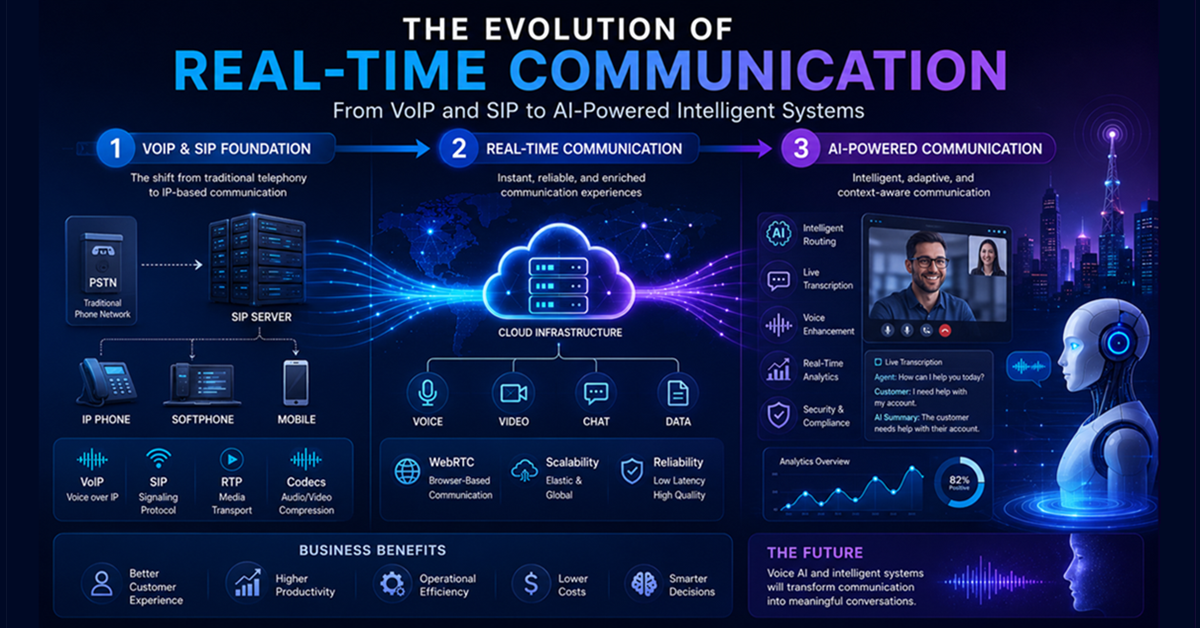
Voice AI is transforming how humans interact with machines, evolving from basic text-to-speech (TTS) systems to sophisticated neural networks capable of expressive, human-like communication. As speech synthesis becomes more natural and accessible, industries worldwide are reimagining customer service, education, healthcare, and creative content.

VoipNow 5.7 is now available, laying the foundation for smarter voice services. The new version introduces AI voice agent integration, AI-driven automation and call flow control through MCP, along with significant performance and security enhancements across the platform.

Reading was once a normal part of daily life. And for many of us, it still holds that vital place. But today, it feels harder than ever. Messages, dashboards, alerts, and short content compete for our attention nonstop. Yet reading endures as one of the most reliable ways to improve how we think and how we work.

December is here, along with its festive atmosphere, packed calendars, and year-end pressures. For many of us, it’s one of the hardest months to stay productive. Between office parties, family gatherings, shortened workweeks, and the mental load of wrapping up the year, maintaining focus can become a real challenge.