
So you’ve just put together your dream team and Shaq and Kobe aren’t playing nice together. There is so much potential, and you just cringe when untapped resources go to waste. No matter how professional each individual is, teams will always have miscommunication problems. Personality clashes, power issues, and lack of clarity over team goals will always make collaboration and communication difficult with some members. Let’s say that your superstar team is above that. Bad things can still happen: important emails ending in the spam folder, people forgetting about meetings or missing deadlines.

Posts Tagged Under: hubgets

Deadlines are the clenching teeth of the cogwheels of civilization. You probably have some experience with meeting deadlines. Nowadays, however, it’s all about teams meeting and beating deadlines.
Truly remarkable achievements are most often team results. Gone are the days of patent-office clerks submitting world-changing papers on theoretical physics. And even Einstein needed help from expert mathematicians. Ironically, perfecting teamwork is a challenge in its own right. This is why we’ll be covering several important topics on the matter. This is our “perfecting teamwork” series.


All meetings are much like performance shows where people come in and take their usual roles. There’s always someone who monopolizes the conversation and couldn’t care less about your agenda, the typical colleague who never speaks up, or the one who would literally agree to anything you say, right? That’s because each team gathers a wide variety of personalities and communication styles. So how can you encourage all attendees to engage in the conversation and contribute within a given time frame, so that when the meeting is over you have a clear outcome?

Photo by Angel Origgi on Unsplash

Conflicts at work are something we often deal with, as positive and agreeable as we might be, but that’s not necessarily bad. A constructive work conflict is even a desirable condition to every productive team because it leads to more valuable solutions. As a leader, you should encourage them. However, sometimes these disagreements go beyond the constructive line and become a damaging factor in your team.

Photo by JD Mason on Unsplash
In a culture where speaking up and sharing ideas are highly praised, an introvert may find it difficult to thrive. That’s why we need to find effective ways to make introverts on our team feel valued and heard.

Photo by Jametlene Reskp on Unsplash
People work harder if they know compensation is waiting for them at the end of the line. Yet, studies show that shortly after getting a financial incentive, actually in less than a week, people lose their motivation and their energy levels go down. Financial compensation is a two-edged sword, and should not stand as the only motivator. Truth be told, meaningfulness and recognition matter more. People want to be recognized for their efforts. They need to know if and how they’ve contributed to the team’s success. And they can only find out, if they receive feedback. Regularly, honestly, and with care.
In any process, team or business, feedback is many things. A necessary ritual, a moment of truth, a condition to progress, and sometimes a dreadful experience. This article explains the why, when, and how of giving and receiving feedback. Because, whether we like it or not, people need to know that their work matters, that it has meaning.

Photo by José Alejandro Cuffia on Unsplash
Ask any team leader, manager or business owner if they think employee engagement matters anymore. I’m quite sure they’ll all say that it does. We’ve reached a point where we don’t need a hard solid proof to believe that higher levels of engagement increase well-being, performance, and employee retention. We witness everyday how an engaged team delivers better results in terms of revenues and profits.
But what exactly is employee engagement? In this article, we’ll try to answer questions like this one and find out some tested methods that can help your team become more engaged and, of course, deliver better results.
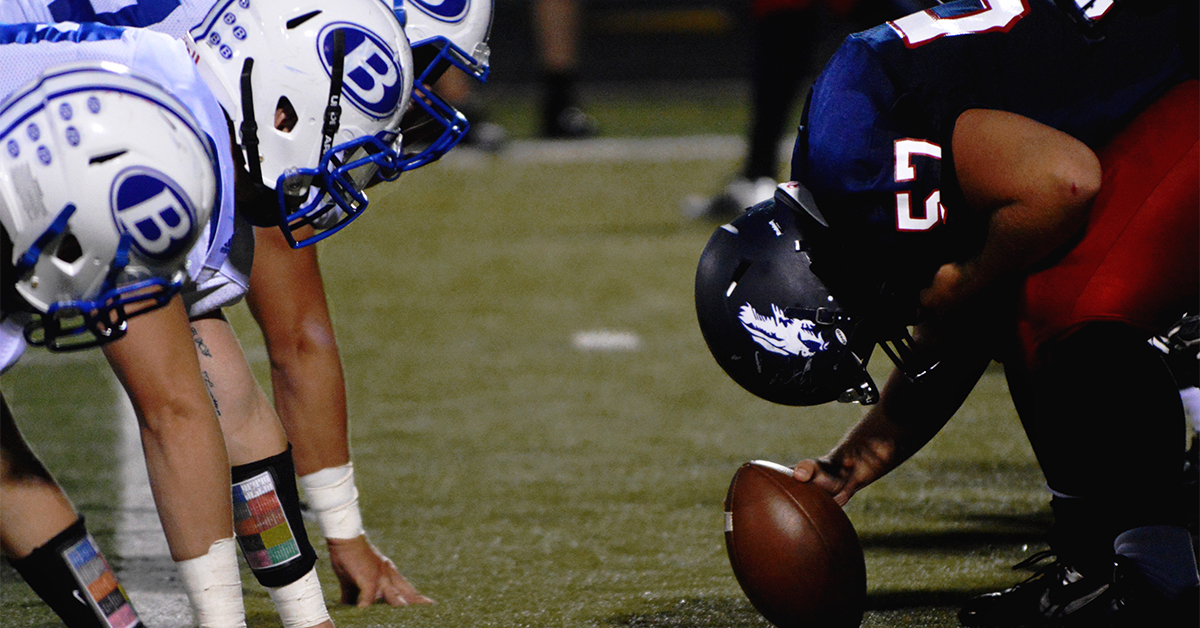
Photo by Nathan Shively on Unsplash
Good teams value the opinions and interests of each team member. Great teams create contexts where each and everyone can voice them out. Hubgets Team Board builds that kind of context for your team and helps your organizational culture by enabling members to share what they know, what they’re interested in, and what they like. Because work is not just tasks and projects, it’s also getting to know and having fun with your teammates.
On every update that we did so far, we made sure that the Team Board got sleeker and better. Today we’re excited to show you that Hubgets Team Board is now more engaging than ever. Let’s find out how it can help you empower your organizational culture.

Photo by rawpixel on Unsplash

Photo by Indian Yogi (Yogi Madhav) on Unsplash
Interruptions at work are inevitable, but how do they really affect us? While most people are concerned about their effects on productivity, the real danger comes from the stress they cause. Good news is that you can protect your health and well-being from unwanted, stress-inducing interruptions by simply implementing the following system.
Human bonds matter at work just as much as elsewhere. But how can you really connect with the people you work with? And how can you prepare the ground for great teamwork?

Photo by rawpixel on Unsplash


