I’m a socially active user. I have a LinkedIn account for my business connections, Facebook for friends, and Twitter to stay updated with interesting news. Sometimes, I even write blog articles and torment my friends with them 😉 . But this does not stop me from sending emails, having voice calls or using the chat.
Search Results for: Communications
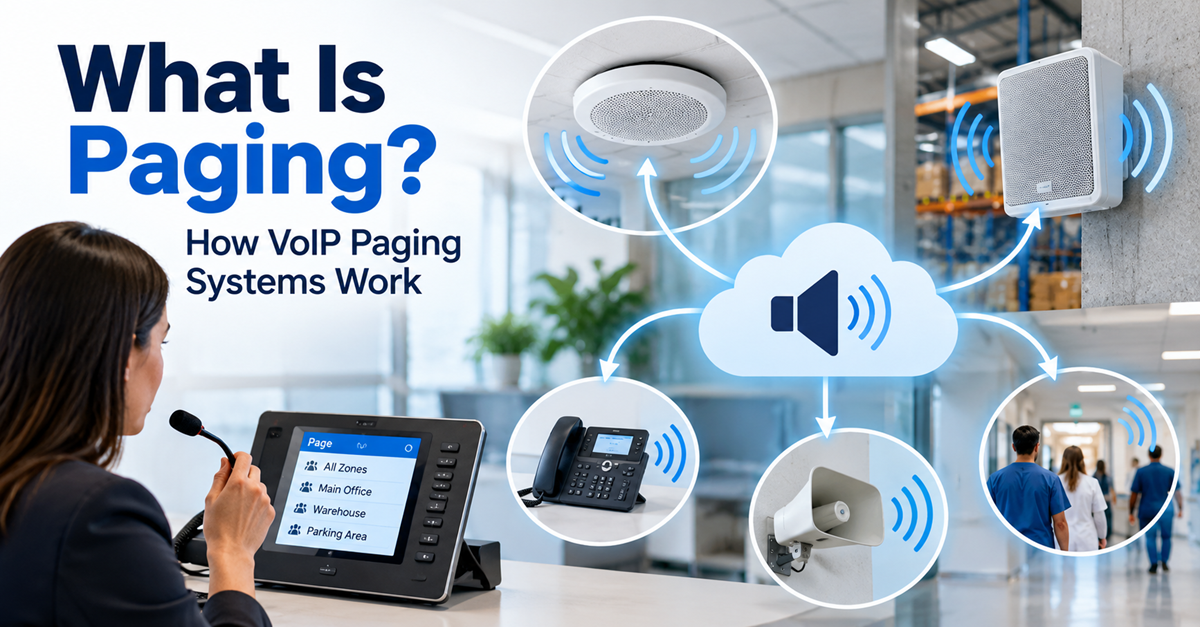
Throughout this telecommunications series, we have examined how voice communication evolved from traditional telephone networks to VoIP, SIP, hosted PBX, Unified Communications, and intelligent call handling. The previous article covered intercom systems, which enable direct communication between people or locations. Paging serves a different need: delivering one announcement to a defined group, area, or building.
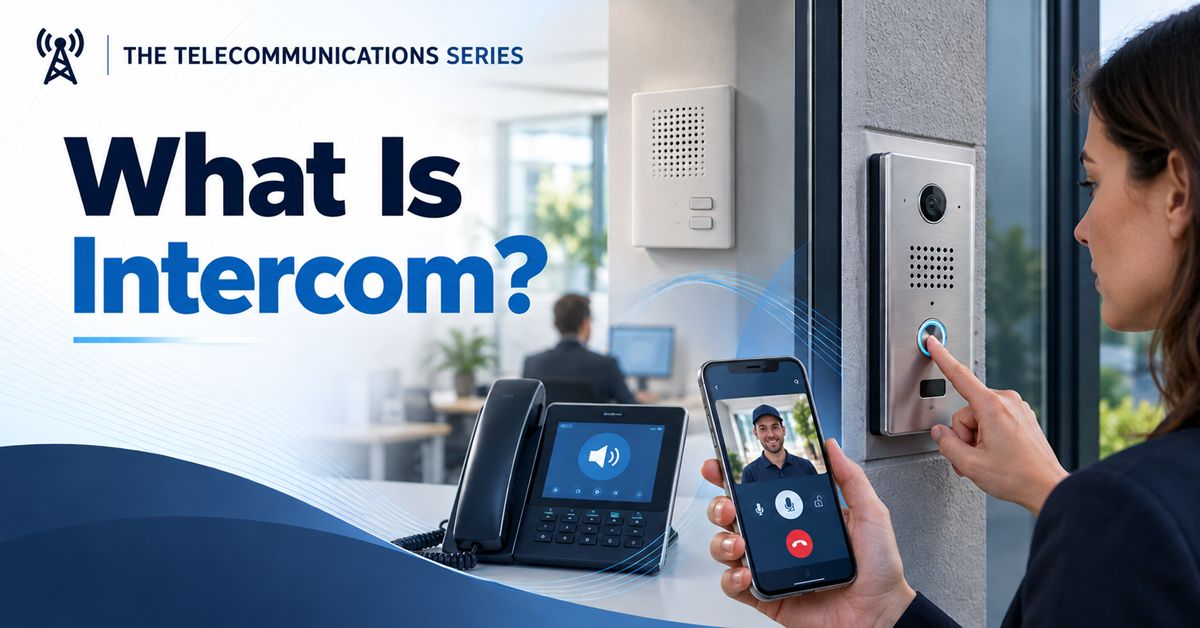
In our telecommunications series, we have followed the evolution of voice communication from the PSTN to modern IP-based systems. And each technology solves a different communication problem. Now, we turn to what is intercom and how it works in a VoIP environment.
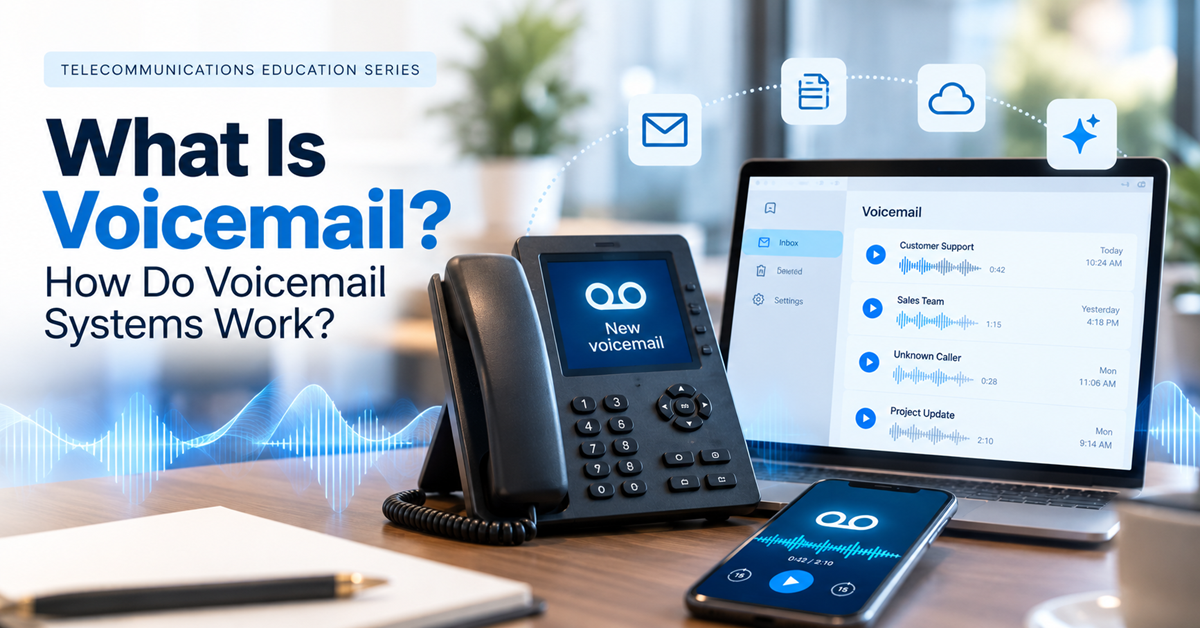
From answering machines and enterprise PBXs to cloud communications and Voice AI, voicemail has followed telecommunications through several generations of technology.
From switchboards and PBX systems to cloud communications and AI‑powered voice services, understanding IVR meaning helps explain how the telecommunications industry has steadily moved toward more automated and intelligent call handling.

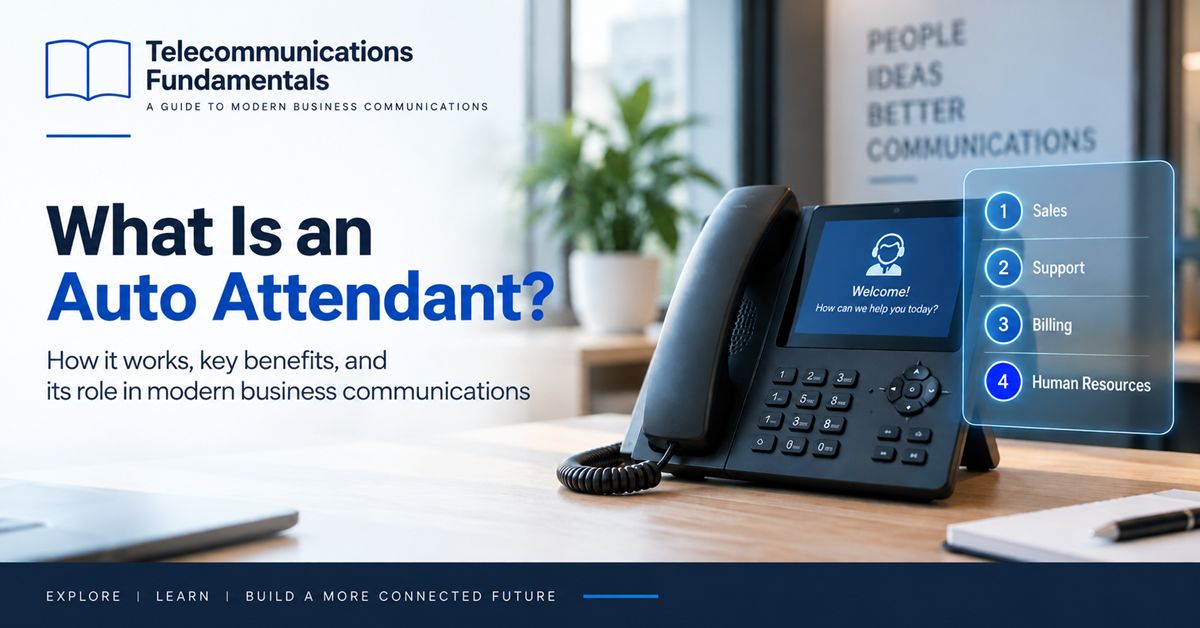
As telecommunications evolved from switchboards and traditional PBX systems to VoIP, hosted PBX, and Unified Communications, businesses gained more ways to automate calls. In this educational series, we have followed that evolution from the PSTN through cloud‑based communications. Now we move from the infrastructure behind business calling to one of the features callers interact with directly: the auto attendant.
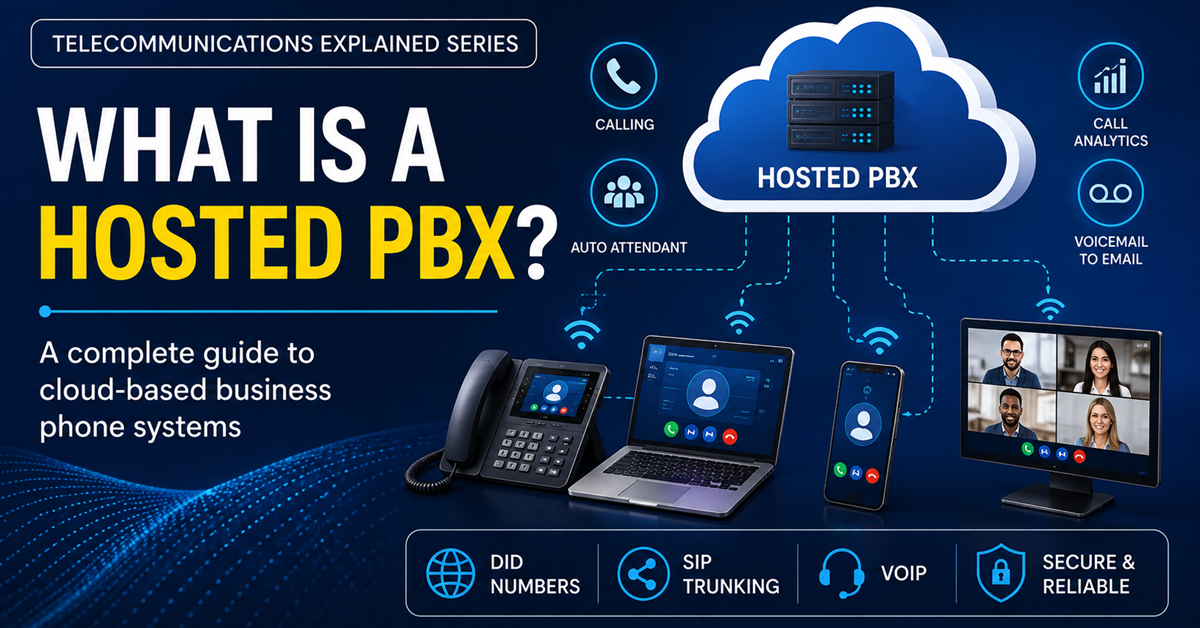
From manual switchboards and on-premises PBX hardware to VoIP and cloud communications, business telephony has changed dramatically over the past century. This series follows that evolution one technology at a time. After covering the PSTN, VoIP, SIP, SIP trunks, and DID numbers, we have reached the platform that brings many of those elements together. The next step is understanding what a hosted PBX is and how it brings many of these technologies together into a complete business phone system.
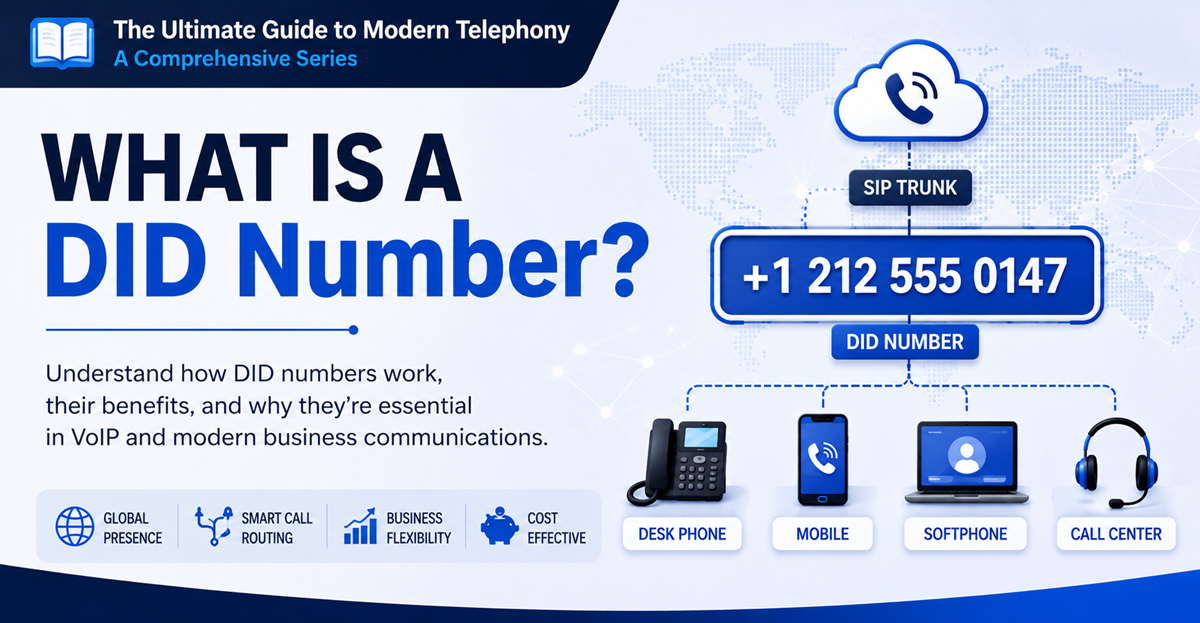
From the first telephone exchanges to today’s cloud platforms and AI voice agents, one thing has remained remarkably important in telecommunications: the phone number. Understanding what is a DID number is therefore an important step in understanding how modern phone systems connect callers with the right person, department, application, or AI service.
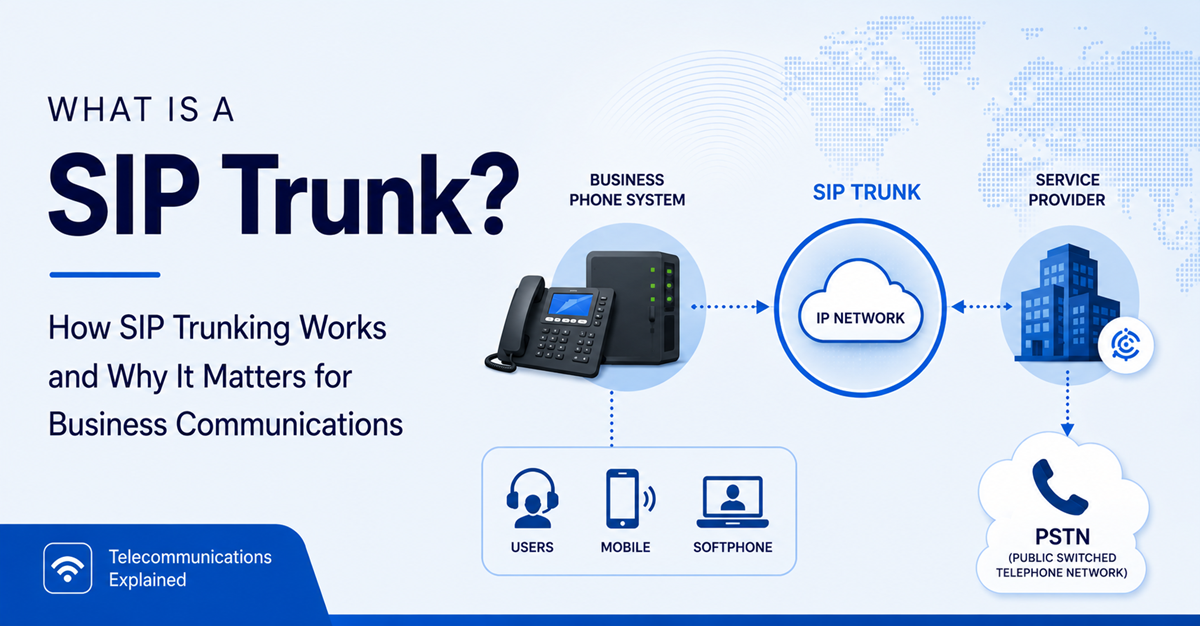
The telecommunications industry has progressed from physical telephone lines and circuit-switched networks to VoIP, cloud communications, and AI-powered voice services. A SIP trunk plays an important role in this evolution by connecting business phone systems with telecommunications providers over IP networks.
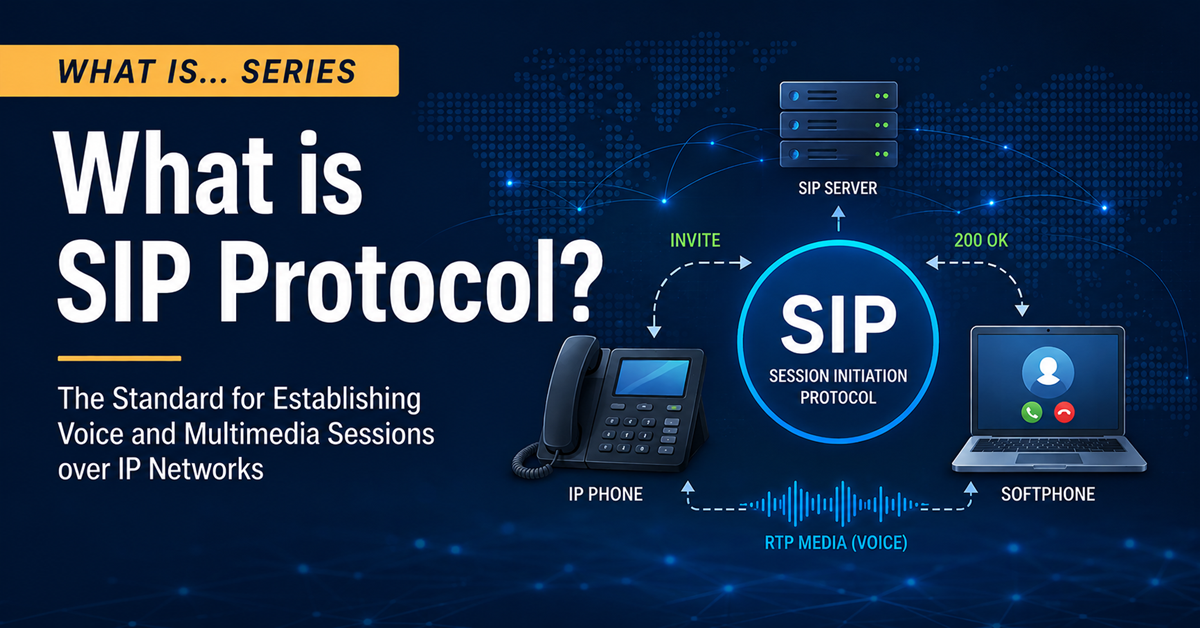
The telecommunications industry has moved through several major technological shifts. It began with the traditional telephone network, moved to VoIP, cloud communications, and now we’re in the AI-powered voice services era. This educational series follows that evolution step by step, explaining the technologies behind modern communications in plain language. In this article, we discuss the SIP protocol.